Search / Section 1
1 How to avoid premature death
This section covers three things: deaths from accidents and injuries such as car crashes, fires and poisonings; the few vaccines and screening tests with the strongest evidence; and which signals from the body mean you should get checked. The figures in the Benefit line come from randomized trials, studies that followed a large group of people for many years, or official statistics. The Cost line is the author’s rough estimate at market prices. It is used only to compare items with each other, and should not be quoted.
The items in this section are grouped by topic below, with item numbers in parentheses.
On the road: Always wear a seatbelt (Item 1), wear a helmet (Item 2), avoid speeding and driving under the influence of alcohol (Item 9), and use proper child safety seats (Item 10).
Fire, gas, and electricity at home: Install smoke detectors (Item 3), replace gas hoses once they reach their expiration date (Item 4), never bring electric bicycles into stairwells or hallways (Item 6), keep fire extinguishers and first-aid kits handy (Item 26), fit the guard before using an angle grinder (Item 42), and before going down a septic tank, ventilate it, test the air, and put protection and a person watching in place (Item 46).
Accidents involving children, seniors, and outdoors: Fit window stops (Item 11), keep children in sight near water (Item 12), have people over 60 practice balance (Item 13), never eat wild mushrooms (Item 5), do not pick up metal objects of unknown origin (Item 36), measure ice thickness before stepping onto wild ice (Item 41), and finish soaked wood ear (black fungus) in one meal (Item 48).
Vaccines: Get tested for hepatitis B markers (Item 14), stay up to date with tetanus shots (Item 15), receive the HPV vaccine (Item 16), get a flu shot (Item 20), get the shingles vaccine (Item 21), and get vaccinated against pneumococcal infections (Item 22).
Screening and disease detection: Measure blood pressure (Item 7), check fasting blood glucose (Item 8), breast cancer screening (Item 17), cervical cancer screening (Item 18), colorectal cancer screening (Item 19), testing for Helicobacter pylori (Item 23), low-dose chest CT (Item 24), bone density measurement (Item 39), anti-osteoporosis medicine (Item 40), anticoagulants if atrial fibrillation is found (Item 44), a one-time hepatitis C antibody test (Item 45), and gastroscopy screening (Item 47).
Body signals and sexual health: Visible blood in the urine (Item 27); if erectile function has a problem, check the cardiovascular system first (Item 28); losing weight and quitting smoking can improve erectile function (Item 29); condoms and not sharing needles (Item 30); HIV testing (Item 31); and pre-exposure prophylaxis medicine (Item 38).
Mental health crises: If you have suicidal thoughts, call 12356 (Item 25); tell one person about suicidal thoughts first (Item 32); gambling until you borrow money to pay gambling debts (Item 37); the cost of being saved after drinking pesticide or inhaling gas (Item 33); the cost of surviving a fall from a height (Item 34); the cost of living with one kidney fewer (Item 35); and asking the people around you directly whether they have thought about suicide (Item 43).
Items in this section (48)
- 1.1 Always wear seat belts, both front and back
- 1.2 Wearing a helmet and fastening the strap while riding motorcycles or e-bikes
- 1.3 Install smoke alarms; those heating with coal or gas indoors in winter should also add a carbon monoxide alarm
- 1.4 Replace gas hoses and stoves when they reach their expiration date; never modify the piping yourself, and you may decline any unsolicited sales pitches from gas companies
- 1.5 Do not pick, buy, or eat wild mushrooms; any “folk tricks” for identification are useless
- 1.6 Electric bicycles must not be pushed into stairwells, elevators, or charged indoors
- 1.7 Measure your blood pressure; if it is high, take medicine to bring it down to target
- 1.8 After age 35, anyone who is overweight should get a fasting blood glucose test; if the result is normal, repeat it every three years
- 1.9 Drive without speeding or drinking, do not look at your phone, and stop to rest when sleepy
- 1.10 When riding in a car, use a car seat for children 4 or younger, don’t hold them in your arms
- 1.11 Install opening limiters on windows and balconies if you have kids at home; screen windows do not count as protection
- 1.12 Keep children in sight near water; wear life jackets when boating or swimming in open water
- 1.13 Exercising balance and leg strength for people 60 or older, and modify the bathroom and stairs at home
- 1.14 Get a hepatitis B panel (乙肝两对半) and use your vaccination record to decide whether you need a catch-up vaccine
- 1.15 If you get pricked by a nail or splinter, or if a wound gets dirty with soil, seek treatment the same day and ask whether a tetanus shot is needed
- 1.16 The earlier women get the HPV vaccine, the better
- 1.17 Breast cancer screening for women: mammograms every two years starting at age 40
- 1.18 For women 30 or older, HPV testing should be the first choice for cervical cancer screening
- 1.19 Start colorectal cancer screening at 45 to 50, with a fecal immunochemical test (a stool occult blood test) or a colonoscopy
- 1.20 People with cardiovascular disease and older adults should get a flu shot each year
- 1.21 Getting the shingles vaccine after age 50
- 1.22 Pneumococcal vaccine for people 65 or older
- 1.23 Testing for Helicobacter pylori and eradicating it if positive
- 1.24 Heavy smokers should get a low-dose chest CT once a year
- 1.25 Call 12356 if you’re depressed or having suicidal thoughts; don’t keep sleeping pills or pesticides at home
- 1.26 Purchase fire extinguishers, fire blankets, escape respirators, and first-aid kits, then inspect them once a year
- 1.27 Visible blood in urine — even if painless and gone by the next day — still warrants a check-up
- 1.28 If erectile dysfunction appears, check cardiovascular health first — don’t treat it as a purely sexual issue
- 1.29 Weight loss, quitting smoking, and controlling blood pressure and blood sugar can improve erectile function
- 1.30 Always use condoms during sex and never share needles
- 1.31 If you’ve engaged in high-risk behavior, get tested for HIV — the CDC offers free testing and keeps the result confidential
- 1.32 When a suicidal thought first appears, tell one person near you first, and hand over those few tens of minutes
- 1.33 Don’t treat “being saved” as a safety net: after drinking pesticide or inhaling coal gas, the emergency room may save your life but may not save your lungs and brain
- 1.34 Don’t bet on “a few days of rest” after a fall from height: most patients admitted to a trauma ICU survive, though at a cost measured in years
- 1.35 Don’t trade “losing one kidney is no big deal” for cash: the remaining kidney has to do the work of two, and 86% of kidney sellers later say their health got worse
- 1.36 Don’t pick up, disassemble, or sell unidentified metal parts; stay clear of areas marked with the clover symbol
- 1.37 When gambling has you borrowing to pay gambling debts and your mood stays low, call 12356 first and then hand over your bank cards and payment passwords to family members
- 1.38 Men who have sex with men and have high-risk sex should ask a designated HIV hospital about pre-exposure prophylaxis; taken on schedule it cuts infection by about 70%
- 1.39 Women aged 65 and older should have a dual-energy X-ray absorptiometry (DXA) bone density test; postmenopausal women with osteoporosis risk factors need not wait until 65
- 1.40 If you are diagnosed with osteoporosis, or have fractured from a minor fall, ask a doctor for osteoporosis medication and keep taking it—do not treat calcium supplements as a substitute
- 1.41 Drill holes to measure ice thickness before stepping onto wild ice; don’t go out if it’s under 15 cm thick. Avoid ice over rivers and near ice-fishing holes
- 1.42 Always attach the guard, wear goggles and a face shield, then grip the grinder firmly with both hands — never use a wood-cutting blade on it
- 1.43 Ask someone close to you who seems off, directly: “Have you thought about suicide?” Asking does not make the thoughts stronger
- 1.44 Get an ECG if you have palpitations or an irregular heartbeat; if atrial fibrillation is found, ask a doctor to assess anticoagulants against stroke, and do not use aspirin as a substitute
- 1.45 Test once as an adult for hepatitis C antibody; if positive, test the nucleic acid; if confirmed, take an oral drug for 8 to 12 weeks, and the great majority are cured
- 1.46 Before going down a septic tank, manhole, sewage pool, vegetable cellar, fermentation tank or other confined space, ventilate first, test until it passes, and put protection and a watcher in place; do not enter if the conditions are not met. If someone collapses, do not follow them down; call 119 and 120
- 1.47 People aged 45 and over who live in areas with high rates of stomach and esophageal cancer, who have a family history, or who test positive for Helicobacter pylori, should have a gastroscopy screening
- 1.48 Eat soaked wood ear and white fungus up in one meal and do not keep them overnight; buy wet rice noodles such as flat rice noodles (河粉) and steamed rice rolls (肠粉) and eat them the same day; do not make fermented grain flour (酵米面) at home
1.1 Always wear seat belts, both front and back
- Money No cost
- Time Minutes
- Willpower None
- Benefit Big
- Measured in Lifespan
- In plain terms
Wearing a seat belt in the front seat of a car cuts the chance of dying in a crash by more than 40%. In the front seat of a light truck, it cuts it by 60%. Of the people who died inside vehicles in the US in 2022 and whose belt use could be determined, half were not wearing one.
- Cost
No cost. About 2 extra seconds each time you get in a vehicle.
- Benefit
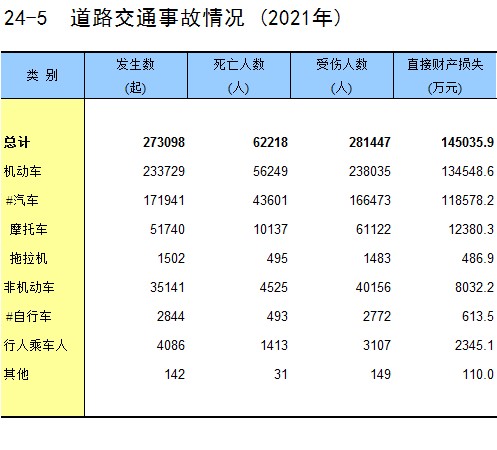
The US traffic safety authority (NHTSA) estimates that seat belts cut the risk of fatal injury for front-seat car occupants by 45%. For front-seat occupants of light trucks, the cut is 60%. Of the people who died in passenger vehicles (cars that carry people) in the US in 2022 and whose belt use could be determined, 50% were not belted. The World Health Organization (WHO) figure is that seat belts reduce the risk of death for people in the vehicle by up to 50%. WHO estimates that 248,099 people died in road traffic crashes in China in 2021, equal to 17.4 deaths per 100,000 people. In the National Bureau of Statistics yearbook, road traffic deaths in 2021 were 62218
- Notes
Wear it in the back seat too. In the same report, of second-row deaths whose belt use could be determined, 60% were not belted. The 45% and 60% figures are estimates that NHTSA calculated from a crash database (citing Kahane 2015). They are not randomized trials. WHO’s death count for China is a projection, about 4 times the 62218 in the statistical yearbook. The two sources count different scopes, so only WHO’s basis is used here.
Sources
- NHTSA (2024). Occupant Protection in Passenger Vehicles: 2022 Data (DOT HS 813 573):「Among killed passenger vehicle occupants with known restraint use, 48 percent of those in the front row and 60 percent of those in the second row were unrestrained.」https://crashstats.nhtsa.dot.gov/Api/Public/ViewPublication/813573
- WHO (2025). Road traffic injuries fact sheet. https://www.who.int/news-room/fact-sheets/detail/road-traffic-injuries
- WHO GHO RS_196/RS_198 (China, 2021). https://ghoapi.azureedge.net/api/RS_196?$filter=SpatialDim%20eq%20%27CHN%27
- 国家统计局 (2022). 中国统计年鉴 2022,表 24-5 道路交通事故情况(2021 年):死亡人数 62218 人. https://www.stats.gov.cn/sj/ndsj/2022/html/C24-05.jpg
1.2 Wearing a helmet and fastening the strap while riding motorcycles or e-bikes
- Money Low
- Time Minutes
- Willpower None
- Benefit Big
- Measured in Lifespan
- In plain terms
Wearing a helmet and fastening the strap properly reduces a motorcyclist’s risk of dying in an accident by roughly 40%. The chance of suffering a head injury drops by about 70%. The strap must be tightened; a helmet that simply hangs loosely on the head does not count as being worn.
- Cost
A helmet costs between 100 and 300 yuan. It takes just 5 seconds to put on each time.
- Benefit
Cochrane pooled data from multiple studies. For motorcyclists wearing helmets, the risk of death fell by 42%. The original odds ratio was 0.58, with a 95% confidence interval ranging from 0.50 to 0.68. Head injuries were reduced by 69% (odds ratio 0.31; 95% CI 0.25–0.38).
- Notes
The helmet strap must be fastened securely. A helmet left hanging on the handlebars does not count as being worn. The figures above come from motorcycles. There is no direct study of e-bikes. The conclusion is carried over from motorcycles because the way the head is injured in a crash is the same. For helmets when skiing, snowboarding and cycling, see Section 22, item 12 (wear a helmet when skiing or mountain biking). For the age threshold for children riding on the road, see Section 30, item 20 (children under 16 riding an e-bike on the road).
Sources
Liu BC 等 (2008). Helmets for preventing injury in motorcycle riders. Cochrane Database of Systematic Reviews. https://doi.org/10.1002/14651858.CD004333.pub3
1.3 Install smoke alarms; those heating with coal or gas indoors in winter should also add a carbon monoxide alarm
- Money Low
- Time Minutes
- Willpower None
- Benefit Big
- Measured in Lifespan
- In plain terms
A properly functioning smoke alarm can cut the risk of dying in a home fire by roughly 60%. In US home fires where someone died, in 40% people were asleep when the fire started. Anyone who burns coal or uses gas indoors in winter should also add a carbon monoxide alarm. In China, 11,500 people died from carbon monoxide poisoning in 2018; in the three winter months, about 70% of the deaths in each month were at home.
- Cost
A smoke alarm costs between 30 and 100 yuan. A carbon monoxide alarm costs between 50 and 150 yuan. After installation, the batteries need to be replaced once a year.
- Benefit
A study in North Carolina examined homes that had experienced fires versus those that hadn’t. It found that having a working smoke alarm lowered the death risk by about 60%. The odds ratio was 0.39, with a 95% confidence interval ranging from 0.18 to 0.83. Between 2018 and 2020, of fatal fires in occupied homes in the US, 24% happened in homes without smoke alarms, and in 41% people were asleep when the fire started. In 2018, China reported 11,523 deaths from carbon monoxide poisoning; of these deaths, 72.59% of those in December, 67.42% of those in January and 66.48% of those in February happened at home.
- Notes
The reason for B: on smoke alarms there is only one study. It looked back and compared homes where the worst happened with homes where it did not. It is not a randomized trial. There is no study of whether carbon monoxide alarms themselves lower the death rate. The benefit here is inferred from poisoning deaths being concentrated in winter and in the home.
Sources
- Marshall SW 等 (1998). Fatal residential fires: who dies and who survives? JAMA. https://doi.org/10.1001/jama.279.20.1633
- USFA (2022). Fatal Fires in Residential Buildings (2018-2020), Topical Fire Report Series 22(2). https://www.usfa.fema.gov/downloads/pdf/statistics/v22i2.pdf
- You J 等 (2020). Number of Deaths due to Carbon Monoxide Poisoning by Month and by Place of Death — China, 2018. China CDC Weekly. https://doi.org/10.46234/ccdcw2020.008
1.4 Replace gas hoses and stoves when they reach their expiration date; never modify the piping yourself, and you may decline any unsolicited sales pitches from gas companies
- Money Low
- Time Minutes
- Willpower None
- Benefit Big
- Measured in Lifespan
- In plain terms
Replacing hoses and stoves when they expire is a user obligation clearly stated in the “Regulations on Urban Gas Management.” The same regulations explicitly forbid users from modifying piping or removing gas meters on their own. Additionally, the regulations state that gas companies cannot require customers to buy the products and services they designate. Therefore, you may freely decline any sales pitches claiming that replacement is mandatory.
- Cost
A compliant gas hose costs only a few dozen yuan. Stoves should be replaced every few years; during replacement, check whether they’ve passed their expiration date.
- Benefit
The regulations designate “promptly replacing gas appliances and connecting hoses that have been phased out by the state or have exceeded their service life” as a user obligation; this means you must replace any stove or hose that has reached its expiration date or been discontinued. The same regulations also classify “unauthorized installation, modification, or removal of indoor gas facilities and metering devices” as prohibited actions, which includes any DIY attempts to alter piping or remove gas meters. Furthermore, the regulations explicitly forbid gas operators from requiring users to buy the products they designate or to accept the services they provide.
- Notes
The text of the regulations can be checked word for word, but it only shows that replacing the hose at expiry is your obligation. It does not show how many accidents replacement prevents. No official statistic was found for how much replacing hoses by service life cuts gas accidents, so the grade is only C. If a person who comes to check your home asks you to buy the self-closing valve or alarm he designates, you may refuse, and you may also complain, because Article 20, item 6 of the regulations does not allow gas companies to require this. Self-closing valves and alarms are themselves encouraged by the State Administration for Market Regulation; if you want to install one, choose a qualified product yourself. If you smell gas, first shut the main gas valve; for bottled gas, shut the cylinder valve. Then open doors and windows to ventilate, but do not switch on an exhaust fan. Do not switch electrical appliances such as lights and range hoods on or off, and do not touch a lighter. Then get out, and call the gas company’s emergency number only after you have left the scene. Carbon monoxide poisoning is a separate matter; see Section 13.
Sources
- 国务院 (2010). 城镇燃气管理条例(国务院令第 583 号)第二十七条:「燃气用户应当遵守安全用气规则,使用合格的燃气燃烧器具和气瓶,及时更换国家明令淘汰或者使用年限已届满的燃气燃烧器具、连接管等」
- 第二十八条禁止行为含「(一)擅自操作公用燃气阀门」「(二)将燃气管道作为负重支架或者接地引线」「(四)擅自安装、改装、拆除户内燃气设施和燃气计量装置」
- 第二十条燃气经营者不得「(六)要求燃气用户购买其指定的产品或者接受其提供的服务」
- 第二十九条用户可就收费、服务向燃气管理等部门投诉,「有关部门应当自收到投诉之日起15个工作日内予以处理」. http://www.gov.cn/gongbao/content/2010/content_1758214.htm
- 深圳市住房和建设局 (2024). 安全用气小知识(二):「立即关闭家里的燃气总阀门」「迅速开门、开窗进行通风」「一定不要开、关家里的电灯、抽油烟机等电器」「人员应该迅速撤离,转移到安全的地方,并且及时拨打燃气公司的报警电话」. https://zjj.sz.gov.cn/zcjzts/content/post_11882410.html
- 张家港市应急管理局 (2024). 燃气安全使用知识:「不要情急之下打开排气扇进行通风」「应远离现场之后才能打电话求助」. https://www.zjg.gov.cn/zjgszwz/yjaqzs/202411/72b4fad7399c48378302460c6ce2d55b.shtml
- 市场监管总局 (2023). 燃气器具产品质量安全风险提示(鄂州市城建委转载):「鼓励用户安装使用燃气智能表、燃气泄漏安全保护装置、自闭阀、独立式感烟火灾探测器、可燃气体探测报警器等保护装置」. https://cjw.ezhou.gov.cn/zxzx/gzdt/202308/t20230821_569108.html
1.5 Do not pick, buy, or eat wild mushrooms; any “folk tricks” for identification are useless
- Money No cost
- Time Minutes
- Willpower Some
- Benefit Big
- Measured in Lifespan
- In plain terms
In 2025 alone, the China CDC investigated 828 mushroom poisonings. 2,165 people were poisoned and 13 died. That year, 34 mushroom species not previously recorded as poisonous were newly identified. Testing with a silver needle, “insects have eaten it so it is safe”, and “only brightly colored ones are poisonous” are all false.
- Cost
No expense involved. The hard part is giving up a seasonal delicacy.
- Benefit
The China CDC investigated 828 mushroom poisoning incidents in 2025, involving 2,165 people, with 13 deaths. The case fatality rate was 0.6%, meaning 0.6% of poisoned people died. From 2019 to 2024 there were 276 to 676 incidents a year, with the case fatality rate between 0.87% and 2.86%. In 2025 alone, 138 poisonous mushroom species were identified, 34 of them recorded in China for the first time as causing poisoning. The China CDC’s public education material rejects the folk identification methods one by one. Only brightly colored ones are poisonous: wrong, whether a mushroom is poisonous has nothing to do with its color. Ones that insects have eaten or that have maggots are safe: wrong, many deadly mushrooms are also eaten by insects once mature. Ones that change color when boiled with silver or garlic are poisonous: wrong, mushroom toxins contain no sulfur, and a silver needle turns black because of sulfur. High-temperature frying removes the toxin: also unreliable. Its conclusion is “there is currently no simple, quick and effective way to tell whether a mushroom is poisonous”. The Beijing Municipal Market Regulation Administration’s 2026 notice says that if you feel unwell after eating one by mistake, “seek medical care immediately and do not treat yourself”, and keep the remaining mushrooms and food residue so that doctors can identify the poison
- Notes
If you suspect you ate the wrong one, go to hospital at once and do not treat yourself at home. Bring the remaining mushrooms, food residue or photos. Mushroom poisoning comes in several types, and knowing which mushroom it was lets doctors treat it accordingly. New species are recorded as able to poison people every year, so the premise that “local people can tell them apart” does not hold. Testing with a silver needle, boiling with garlic, “insects have eaten it so it is safe”, and “only brightly colored ones are poisonous”: none of these holds. Wood ear and white fungus soaked for too long, and wet rice noodles kept too long, are a different kind of poison; see item 48 (soaked wood ear).
Sources
- Mushroom Poisoning Outbreaks — China, 2025. China CDC Weekly (2026):「In 2025, China CDC investigated 828 mushroom poisoning incidents across 27 provincial-level administrative divisions (PLADs), affecting 2,165 individuals and causing 13 deaths - a case fatality rate of 0.6%, the lowest of the past six years. In total, 138 poisonous mushroom species were identified, including 34 newly recorded in poisoning incidents in China.」「From 2019 to 2024, the annual number of incidents ranged from 276 to 676, and the case fatality rate ranged from 0.87% to 2.86%.」https://doi.org/10.46234/ccdcw2026.120
- 同刊 2024 年度报告 https://doi.org/10.46234/ccdcw2025.106
- 中国疾病预防控制中心职业卫生所 尹萸、李海蛟 (2019). 防控蘑菇中毒,任重而道远:「方法4:虫食或生蛆的蘑菇无毒。错!」「方法6:与银器、大葱、大蒜、大米同煮可使其变色的蘑菇有毒。错!」「因此,目前没有简单易行、快速有效的识别蘑菇是否有毒的方法」. https://www.chinacdc.cn/jkkp/zyjk/zdzs/201908/t20190802_301109.html
- 北京市疾病预防控制中心 (2023). 远离毒蘑菇,不做「菇勇者」:「民间流传辨别毒蘑菇的方法,如看颜色和形状、看生长环境、用银器辨毒、看分泌物、看有无生蛆生虫等均不可靠」. https://www.bjcdc.org/cdcmodule/jkfw/yyyspjk/jkyf/swzdyf/2023/35518.shtml
- 北京市市场监督管理局 (2026). 关于防范误食野生蘑菇中毒的风险提示:「请立即就医,切勿自行处理,以免延误诊疗时机。妥善保存剩余野生蘑菇、食物残渣等样本」. https://scjgj.beijing.gov.cn/zwxx/scjgdt/202606/t20260625_4715961.html
1.6 Electric bicycles must not be pushed into stairwells, elevators, or charged indoors
- Money No cost
- Time Minutes
- Willpower Some
- Benefit Big
- Measured in Lifespan
- In plain terms
Parking or charging an e-bike in the lobby, corridor or stairwell of a high-rise residential building is expressly banned by a Ministry of Emergency Management rule. Anyone who does not correct it is fined 500 to 1000 yuan if an individual, and 2000 to 10,000 yuan if in business. The fine is the small matter. What matters is that this kind of fire burns on your only escape route.
- Cost
No cost. The hard part is parking at the central charging point downstairs every time, a few dozen meters further to walk.
- Benefit
A Ministry of Emergency Management rule bans it in so many words: “It is forbidden to park electric bicycles, or charge them, in the public lobbies, evacuation corridors, stairwells and safety exits of high-rise civil buildings.” In the building lobby, corridor, stairwell and safety exit, you may neither park nor charge. Those who refuse to correct it are fined 500 to 1000 yuan if they are an individual or unit not in business, and 2000 to 10,000 yuan if in business. This rule does not cover elevators or the inside of the home. In a reply to a National People’s Congress delegate, the Ministry said that parking and charging e-bikes and batteries indoors in violation of the rules is listed as a focus of the clean-up of major fire hazards. What it tells the public about is the danger of “vehicles into buildings, cables out of homes, self-dismantling and modification”. Elevators are covered by local regulations: from 1 May 2025, Beijing bans taking e-bikes and charging batteries into elevator cars, and fines individuals 500 to 1000 yuan for refusing to correct it
- Notes
Do not buy modified batteries, do not use off-brand chargers, and do not leave a battery charging unattended overnight. Once a lithium battery catches fire, within tens of seconds a whole area burns, with highly toxic smoke at the same time. If a vehicle parked in the stairwell catches fire, what burns is your only escape route. The figures published by the Ministry of Emergency Management are: in 2021 there were 18,000 e-bike fires nationwide, with 65 deaths. Of these, 3,782 burned inside buildings, with 60 deaths, and almost all of the dead were indoors. After the clean-up in 2024, the number of fires fell 42.2% from the previous year, and casualties fell by more than 90%. Fires per million vehicles fell from 5.6 to 3. That press conference did not give the full-year absolute numbers.
Sources
- 应急管理部 (2021). 高层民用建筑消防安全管理规定(应急管理部令第 5 号,第三十七条、第四十七条). https://www.gov.cn/zhengce/zhengceku/2021-08/01/content_5628815.htm
- 应急管理部 (2023). 关于政协第十三届全国委员会第五次会议第00969号提案答复的函:「2021年,全国共接报电动自行车火灾1.8万起,造成65人死亡、222人受伤,直接财产损失达2.21亿元,其中发生在建筑物内3782起,造成60人死亡、175人受伤」. https://www.mem.gov.cn/gk/jytabljggk/zxwytadfzy/2022zx/202301/t20230119_440918.shtml
- 应急管理部 (2025). 2025年1月15日新闻发布会:「每百万辆电动自行车火灾数量由2023年的5.6起下降至3起,火灾起数同比下降42.2%,伤亡人数下降超过90%」. https://www.mem.gov.cn/xw/xwfbh/2025n01y15xwfbh_6337/
- 应急管理部 (2024). 对十四届全国人大一次会议第7187号建议的答复:「将电动车(蓄电池)违规在室内停放或充电、未按要求设置防火分区等问题作为消防安全重大风险隐患专项排查整治2023行动整治重点」「向社会宣传提示"车入楼、线出户、自拆改"的火灾危险危害」. https://www.mem.gov.cn/gk/jytabljggk/rddbjydfzy/2023_5984/202401/t20240130_476731.shtml
- 北京市东城区人民政府转载北京消防 (2025). 北京消防条例:电动自行车、电池进电梯,个人最高可罚1000元:「禁止携带电动自行车、充电电池进入电梯轿厢。违规拒不改正的,可对单位处2000元以上1万元以下罚款,对个人处500元以上1000元以下罚款」. https://www.bjdch.gov.cn/ztzl/aqsczbgjsnxd/zdgz/202504/t20250410_4061604.html
1.7 Measure your blood pressure; if it is high, take medicine to bring it down to target
- Money Low
- Time Minutes
- Willpower Some
- Benefit Big
- Measured in Lifespan
- In plain terms
For every 10 mmHg drop in the higher blood pressure number, the risk of major cardiovascular problems falls by 20%, stroke risk drops 27%, heart failure risk drops 28%, and overall mortality risk declines by 13%. Among Chinese adults aged 35–75, 44.7% have hypertension, but only 7.2% have their blood pressure under proper control.
- Cost
An electronic sphygmomanometer costs 100–200 RMB. Each measurement takes 1 minute. Most antihypertensive drugs cost just a few to dozens of RMB per month. The hard part is keeping the medication regimen even when there are no symptoms.
- Benefit
Data from 123 clinical trials involving over 610,000 participants shows that a 10 mmHg reduction in systolic blood pressure lowers the incidence of major cardiovascular events by roughly 20%. The relative risk is 0.80, with a 95% confidence interval of 0.77–0.83. Systolic blood pressure is the higher of the two readings taken during a measurement. Stroke risk drops by 27% (RR 0.73), heart failure risk drops by 28% (RR 0.72), and overall mortality drops by 13% (RR 0.87, 95% CI 0.84–0.91). A screening program in China involving 1.7 million adults aged 35–75 found that 44.7% had hypertension; of these, 44.7% were aware of their condition, 30.1% were receiving treatment, and only 7.2% had their blood pressure under control.
- Notes
Start by getting your blood pressure measured at least once. Fewer than 1 in 10 Chinese adults with hypertension manage to keep their levels under control, so this single measurement is one of the most cost-effective actions you can take as outlined in this book. There is still some debate over what exact target level (130 or 140 mmHg) is ideal, but “knowing you have high blood pressure and bringing it down” is itself not in dispute.
Sources
- Ettehad D 等 (2016). Blood pressure lowering for prevention of cardiovascular disease and death: a systematic review and meta-analysis. Lancet. https://doi.org/10.1016/S0140-6736(15)01225-8
- Lu J 等 (2017). Prevalence, awareness, treatment, and control of hypertension in China (China PEACE Million Persons Project). Lancet. https://doi.org/10.1016/S0140-6736(17)32478-9
1.8 After age 35, anyone who is overweight should get a fasting blood glucose test; if the result is normal, repeat it every three years
- Money Low
- Time Minutes
- Willpower None
- Benefit Medium
- Measured in Lifespan
For Age 35 or over
- In plain terms
One tube of blood for a few dozen yuan can find prediabetes when there are no symptoms at all. The official US screening advice is that people aged 35 to 70 who are overweight or obese should be tested. If the result is normal, test again every three years. The US counts a BMI of 25 as overweight, lowered to 23 for Asians. The Chinese standard counts 24 as overweight.
- Cost
A fasting blood glucose test costs a dozen or so yuan. A glycated hemoglobin test costs a few dozen yuan. One blood draw at a hospital is all it takes.
- Benefit
The US Preventive Services Task Force is the US official body that gives screening recommendations. Its current recommendation is to screen adults aged 35 to 70 who are overweight or obese for prediabetes and type 2 diabetes, even if they have no symptoms at all. Overweight means a BMI of 25 or higher, and obesity means 30 or higher. For Asian Americans, it recommends lowering the threshold to a BMI of 23 or higher, because at the same BMI, Asians have a higher diabetes risk. China’s industry standard is that a BMI from 24.0 to 28.0 counts as overweight and 28.0 or higher counts as obese. The recommendation is rated B. It also states: “For adults with normal blood glucose, screening once every 3 years is a reasonable approach”
- Notes
Finding prediabetes does not mean you have to take medicine. Eating less, moving more and losing some weight can lower the risk of getting diabetes by 30% to 60%. In the 2018 national survey, only 36.7% of Chinese adults with diabetes knew they had it, with no clear improvement from 2013. For this reduction, and for what to change after a finding and how often to retest, see Section 2, item 45 (prediabetes found).
Sources
- US Preventive Services Task Force (2021). Screening for Prediabetes and Type 2 Diabetes. https://www.uspreventiveservicestaskforce.org/uspstf/recommendation/screening-for-prediabetes-and-type-2-diabetes:「at a lower BMI (≥23) if the patient is Asian American」
- 国家卫生健康委办公厅 (2024). 居民体重管理核心知识(2024 年版)释义:「根据《成年人体重判定》(WS/T 428-2013)行业标准……24.0≤BMI<28.0 为超重,BMI≥28.0 为肥胖」. https://www.gov.cn/zhengce/zhengceku/202407/P020240703481519509521.pdf
- Wang L 等 (2021). Prevalence and Treatment of Diabetes in China, 2013-2018. JAMA:「In 2018, among adults with diabetes, 36.7% (95% CI, 34.7%-38.6%) reported being aware of their condition」「These rates did not change significantly from 2013.」https://doi.org/10.1001/jama.2021.22208
1.9 Drive without speeding or drinking, do not look at your phone, and stop to rest when sleepy
- Money No cost
- Time Minutes
- Willpower Some
- Benefit Big
- Measured in Lifespan
- In plain terms
For each 1% rise in average speed, the chance of a fatal crash rises by about 4%. For alcohol there is no safe line of “a little is fine”. Fiddling with a phone in your hand while driving makes a crash 3.6 times as likely as attentive driving, and dialing makes it 12.2 times. When you are so sleepy that other people can tell, the chance of a crash is about 3.4 times.
- Cost
No cost. Driving a bit slower adds a few minutes to a trip. The hard part is drinking little at dinners and holding back from looking when a message comes. On long drives, stop for at least 20 minutes every 4 hours.
- Benefit
According to the World Health Organization (WHO), for each 1% rise in average speed, the risk of a fatal crash rises by 4%. The risk from drink-driving starts to rise from a very low blood alcohol concentration. WHO also says drivers who use a phone are about 4 times as likely to crash as those who do not, and using hands-free is not much safer. A US study fitted cameras in the cars of more than 3,500 drivers and recorded 905 crashes that injured people or damaged vehicles. The comparison was driving clips from when the driver was alert, attentive and not drinking. All the phone-handling actions combined gave 3.6 times the odds of a crash (OR 3.6). Dialing was 12.2 times, typing a message 6.1 times, reaching for the phone 4.8 times, browsing 2.7 times, and handheld talking 2.2 times. Clearly visible drowsiness on the video was 3.4 times (OR 3.4)
- Notes
The 1% and 4% for speed and death were worked out from crash models. They are not from a randomized trial. On drink-driving, WHO gives only the direction and no number. The question of how much drinking raises the risk by how much was not checked against the original literature in this section. The multiples for phones and drowsiness are for crashes that injure people or damage vehicles, not for deaths. The comparison group was picked as the best possible driving state, so these multiples run somewhat higher than they would against ordinary driving. The law covers making a phone call while holding the phone, with a fine of 20 to 200 yuan and 3 points. Using hands-free is not illegal, but WHO says it is not much safer. Driving more than 4 hours continuously without a full 20-minute rest is also illegal. Driving a goods truck: 3 points. Driving a medium or larger passenger vehicle or a dangerous-goods vehicle: 9 points. If you are sleepy, go into a service area and stop for a rest. Cold and allergy medicines that contain chlorphenamine or diphenhydramine also cause drowsiness; see Section 34, item 12 (chlorphenamine). If you are often sleepy while driving or snore loudly, see Section 3, item 27 (sleep apnea).
Sources
- WHO (2025). Road traffic injuries fact sheet:「Drivers using mobile phones are approximately 4 times more likely to be involved in a crash than drivers not using a mobile phone.」「Hands-free phones are not much safer than hand-held phone sets.」https://www.who.int/news-room/fact-sheets/detail/road-traffic-injuries
- Dingus TA 等 (2016). Driver crash risk factors and prevalence evaluation using naturalistic driving data. PNAS 113(10):2636-2641. https://doi.org/10.1073/pnas.1513271113
- 中华人民共和国道路交通安全法(2021 年修正)第二十二条第二款:「过度疲劳影响安全驾驶的,不得驾驶机动车」
- 第九十条:「处警告或者二十元以上二百元以下罚款」. https://flk.npc.gov.cn/detail?id=ff8081817ab231eb017abd617ef70519
- 中华人民共和国道路交通安全法实施条例(2017 年修订)第六十二条:驾驶机动车不得有「(三)拨打接听手持电话、观看电视等妨碍安全驾驶的行为」「(七)连续驾驶机动车超过4小时未停车休息或者停车休息时间少于20分钟」. https://flk.npc.gov.cn/detail?id=ff8080816f3cbb3c016f40f566c10e23
- 公安部 (2021). 道路交通安全违法行为记分管理办法(公安部令第 163 号)第十一条:一次记 3 分的有「(六)驾驶机动车有拨打、接听手持电话等妨碍安全驾驶的行为的」「(十四)连续驾驶载货汽车超过4小时未停车休息或者停车休息时间少于20分钟的」
- 第九条:一次记 9 分的有「(七)连续驾驶中型以上载客汽车、危险物品运输车辆超过4小时未停车休息或者停车休息时间少于20分钟的」. http://www.gov.cn/gongbao/content/2022/content_5679697.htm
1.10 When riding in a car, use a car seat for children 4 or younger, don’t hold them in your arms
- Money High
- Time Minutes
- Willpower None
- Benefit Big
- Measured in Lifespan
For Child under 3 at home / Child 3 to 18 at home / Pregnant or planning
- In plain terms
For infants under one year old, using a car seat when riding cuts the risk of a fatal injury in a crash by roughly 70%. For children aged 1 to 4, the risk drops by about half. Holding a child in your arms does not have this effect.
- Cost
A seat costs between 300 and 2,000 yuan and lasts several years. It adds about one minute to each trip to buckle the child in.
- Benefit
The U.S. National Highway Traffic Safety Administration (NHTSA) estimates that car seats lower the risk of fatal injury for infants under one year old in passenger cars by 71% and for children aged 1 to 4 by 54%. The World Health Organization reports a similar 71% reduction in infant deaths.
- Notes
Follow the manufacturer’s instructions to install the seat correctly; a faulty installation offers no protection. Infants under one year must be placed rear-facing. These figures are estimates that US officials made from crash data.
Sources
- NHTSA (2024). Occupant Protection in Passenger Vehicles: 2022 Data (DOT HS 813 573). https://crashstats.nhtsa.dot.gov/Api/Public/ViewPublication/813573
- WHO (2025). Road traffic injuries fact sheet. https://www.who.int/news-room/fact-sheets/detail/road-traffic-injuries
1.11 Install opening limiters on windows and balconies if you have kids at home; screen windows do not count as protection
- Money Low
- Time Minutes
- Willpower None
- Benefit Big
- Measured in Lifespan
For Child under 3 at home / Child 3 to 18 at home
- In plain terms
A set of stops costs a few dozen yuan. New York City once offered free window guards to high-risk households and provided on-site guidance; as a result, child fall incidents reported in one borough dropped by half over three years. Eventually, New York even passed a law requiring landlords to install such guards in rental units with children aged 10 or under. Window screens do not count as protection.
- Cost
A set of window limiters or child safety locks costs a few dozen yuan, and the whole process takes only ten minutes.
- Benefit
From 1972, New York City ran a program called “Kids Can’t Fly,” which distributes free window guards in high-risk neighborhoods and offers on-site safety guidance. Between 1973 and 1975, child fall incidents reported in the Bronx dropped by 50%. Afterwards, New York updated its health code to make it mandatory for landlords to install window guards in apartments housing children aged 10 or under.
- Notes
Avoid placing beds, sofas, boxes, or any other objects near windows or balconies that kids might climb onto. Screen windows only keep mosquitoes out; they fall out at a push, so never rely on them as a safety barrier. This protection is needed even on lower floors: most child falls recorded in U.S. data occur on the second floor or lower. For a child in a baby walker who falls down the stairs along with it, see Section 20, item 15 (do not buy a walker with wheels).
Sources
- Spiegel CN, Lindaman FC (1977). Children can't fly: a program to prevent childhood morbidity and mortality from window falls. American Journal of Public Health:「Significant reduction in falls resulted, particularly in the Bronx, where reported falls declined 50 percent from 1973 to 1975」,1976 年纽约市卫生法典修订「to require that landlords provide window guards in apartments where children ten years old and younger reside」. https://doi.org/10.2105/AJPH.67.12.1143
- (2021). Unintentional Window Falls in Children and Adolescents. Academic Pediatrics:2007 年 1 月至 2017 年 8 月全国电子伤害监测系统 38,840 例急诊就诊,「The majority of falls occurred in children under the age of 6 and were related to falls from a second story or below」. https://doi.org/10.1016/j.acap.2020.07.008
1.12 Keep children in sight near water; wear life jackets when boating or swimming in open water
- Money Low
- Time Hours
- Willpower None
- Benefit Big
- Measured in Lifespan
- In plain terms
If you fall into the water from a boat while wearing a life jacket, your chance of drowning is only about half that of not wearing one. Drowning remains the leading cause of death among children aged 1–14 in China. The drowning mortality rate in rural areas is roughly twice that in cities.
- Cost
Life jackets cost between 50 and 200 yuan. Additionally, parents must dedicate constant attention to watching their children.
- Benefit
A study using US Coast Guard data matched people in similar conditions and compared them. Among people who fell into the water from recreational boats, those wearing a life jacket had about half the risk of drowning. The figure is an adjusted RR of 0.51, 95% CI 0.35 to 0.74. In China, the drowning death rate for people under 20 fell from 6.60 per 100,000 in 2013 to 3.28 per 100,000 in 2021. The rural rate is about 2 times the urban rate. In 2021 it was 3.84 per 100,000 in rural areas and 2.01 in cities. Drowning is still the leading cause of death for children aged 1 to 14. In 2021 the drowning death rate for ages 1 to 14 was 3.23 per 100,000, which is 0.99 higher than road traffic injury in second place. In 2021, among injury deaths at ages 0 to 19, drowning accounted for 31.1% and road traffic for 27.9%. The 15 to 19 age group had the highest drowning death rate, 3.95 per 100,000, of which males were 5.99
- Notes
The A grade applies only to the life jacket half. “Keep them in sight” is common consensus. On its own it is only grade C, there is no randomized trial, and there never will be. Drowning deaths in China concentrate in rural areas and among males aged 15 to 19. For playing on ice in winter, see item 41 (measure the ice thickness on wild ice first).
Sources
- Cummings P 等 (2011). Association between wearing a personal floatation device and death by drowning among recreational boaters. Injury Prevention. https://doi.org/10.1136/ip.2010.028688
- Li Z 等 (2023). Unintentional Drowning Mortality Among Individuals Under Age 20 — China, 2013–2021. China CDC Weekly:「in China, it is deemed the primary cause of death for children between the ages of 1 and 14. According to 2021 data, the rate of unintentional drowning in this age group is 3.23 per 100,000, surpassing road traffic injuries, the second leading cause of fatalities, by 0.99 per 100,000.」「rural areas exhibited roughly double the mortality rate found in urban areas」. https://doi.org/10.46234/ccdcw2023.198
- Zhou J 等 (2024). Injury Mortality of Children and Adolescents Aged 0–19 Years — China, 2010–2021. China CDC Weekly:「drowning and road traffic crashes were the top two causes of child injury deaths, explaing 31.1% and 27.9% of total injury deaths」. https://doi.org/10.46234/ccdcw2024.057
1.13 Exercising balance and leg strength for people 60 or older, and modify the bathroom and stairs at home
- Money Low
- Time Daily
- Willpower A lot
- Benefit Big
- Measured in Lifespan
For Older person in your care / Age 60 or over
- In plain terms
Doing balance exercises such as Tai Chi two or three times weekly can cut the overall number of falls among older adults by roughly 23%. It also reduces the proportion of people who have fallen at least once by about 15%. Having someone come to assess your home and modify it cuts the number of falls by about 20%. Falls are the leading cause of injury-related deaths among Chinese seniors aged 65 and above; over half of these falls happen in their own homes.
- Cost
Aim to practice balance exercises two to three times per week, each session lasting 30 minutes — activities like Tai Chi work well. Installing non-slip mats, handrails, and night lights in bathrooms and stairways costs anywhere from a few dozen to several hundred yuan. The real challenge is maintaining this routine over the long term.
- Benefit
Cochrane analyzed 108 separate trials involving 23,407 participants. Collectively, these studies show that regular exercise lowers fall rates among older adults by 23%. The fall rate ratio (RaR) was 0.77, with a 95% confidence interval ranging from 0.71 to 0.83. The proportion of individuals experiencing at least one fall also fell by 15% (relative risk 0.85). Having someone come to do a home safety assessment and modifications reduced fall rates by roughly 20% (RR 0.81; 95% CI 0.68–0.97). Practicing Tai Chi specifically lowered fall risk by about 29% (RR 0.71). In China, falls remain the top cause of injury-related mortality for seniors aged 65 or older; data from 2018 indicates that 55.97% of all falls among this age group occur at home.
- Notes
This item applies to people aged 60 and over who live in their own homes and not in care homes. The studies above counted the number of falls, not deaths. For an older person, the road from a fall to a hip fracture and then to death is short. Not being able to see the way also causes more falls; for cataracts that affect seeing the way, see Section 17, item 9 (cataract surgery). For older people pulled over while walking a dog, see Section 17, item 10 (older adults walking a dog). For whether the bones can survive a fall, see item 39 in this section (bone density test).
Sources
- Sherrington C 等 (2019). Exercise for preventing falls in older people living in the community. Cochrane Database of Systematic Reviews. https://doi.org/10.1002/14651858.CD012424.pub2
- Gillespie LD 等 (2012). Interventions for preventing falls in older people living in the community. Cochrane Database of Systematic Reviews. https://doi.org/10.1002/14651858.CD007146.pub3
- Lu Z 等 (2021). Characteristics of Falls Among Older People — China, 2018. China CDC Weekly. https://doi.org/10.46234/ccdcw2021.013
1.14 Get a hepatitis B panel (乙肝两对半) and use your vaccination record to decide whether you need a catch-up vaccine
- Money Low
- Time Minutes
- Willpower None
- Benefit Big
- Measured in Lifespan
- In plain terms
In the Qidong study, people vaccinated against hepatitis B at birth had an 84% lower chance of later getting liver cancer. Adults cannot copy this reduction, and should not get three doses just because antibodies are low. People who completed the full course, once had protective antibodies, and have a normal immune system usually do not need a booster. If you are not sure whether you were vaccinated, take your lab report to a vaccination clinic for assessment.
- Cost
A test costs a few dozen yuan each time. For adults who need vaccination, 3 doses of hepatitis B vaccine come to about 100 to 300 yuan in total, with the price set by the local clinic. They are usually given at months 0, 1 and 6.
- Benefit
The Qidong trial was randomized by group, not by individual, and followed people for 30 years. Vaccinating newborns against hepatitis B cut primary liver cancer by 84%. The 95% CI is 23% to 97%. The positive rate of hepatitis B surface antigen (HBsAg) fell by 72% (95% CI 68% to 75%); this positive rate is the share of people found to be carrying the virus. In the control group, 67.8% of people were vaccinated late, at ages 10 to 14. The efficacy of late vaccination against HBsAg positivity in early adulthood was only 21% (95% CI 10% to 30%), much weaker than vaccination at birth. In China’s whole population, the HBsAg positive share fell by 52% from 1992 to 2014, and by 97% in children 5 or younger. These numbers cannot be applied directly to catch-up vaccination in adults. People with a normal immune system who completed the full course and once produced protective antibodies still have immune memory after antibodies fall, and usually do not need a booster. Immune memory means that the body can quickly mobilize its defenses when it meets the virus again. Whether to catch up depends on the vaccination record, the surface antigen, the surface antibody and the core antibody. If the vaccination history is unclear, go to a vaccination clinic for assessment.
- Notes
Adults who were never vaccinated, did not finish the course, or have an unclear vaccination history should take their vaccination record and lab reports to a vaccination clinic. If the doctor confirms that you can still be infected, vaccinate or complete the course by the usual schedule. Do not decide that vaccination failed back then just because one antibody result many years later is negative. An ordinary person who has completed the full course does not need repeated antibody tests to decide on a booster. If no protective antibody is found at the scheduled time after a full course, have the doctor arrange repeat vaccination and a recheck. People on dialysis, with weak immune function, or with occupational blood exposure also need separate assessment. A positive core antibody may mean a past infection; it cannot be taken directly as never infected and in need of vaccination. The vaccine cannot treat an infection that already exists. If the surface antigen HBsAg is positive, go to a liver clinic for assessment; see Section 16, item 11 (if hepatitis B surface antigen is positive, have a liver ultrasound every six months).
Sources
- Qu C 等 (2014). Efficacy of neonatal HBV vaccination on liver cancer and other liver diseases over 30-year follow-up of the Qidong hepatitis B intervention study. PLoS Medicine:「The estimated efficacy of catch-up vaccination on HBsAg seroprevalence in early adulthood was 21% (95% CI 10%-30%), substantially weaker than that of the neonatal vaccination (72%, 95% CI 68%-75%).」https://doi.org/10.1371/journal.pmed.1001774
- Cui F 等 (2017). Prevention of Chronic Hepatitis B after 3 Decades of Escalating Vaccination Policy, China. Emerging Infectious Diseases. https://doi.org/10.3201/eid2305.161477
- 中国疾控中心. 乙型肝炎(疫苗免疫预防、常见问答第 4 问). https://www.chinacdc.cn/jkyj/mygh02/ymkyfjb/yxgy/
- CDC. Pink Book, Chapter 10: Hepatitis B(Immunogenicity and Vaccine Efficacy、Serologic Testing of Vaccine Recipients). https://www.cdc.gov/pinkbook/hcp/table-of-contents/chapter-10-hepatitis-b.html
- CDC (2023). Screening and Testing for Hepatitis B Virus Infection: CDC Recommendations — United States, 2023(表 1、Persons Who Are Fully Vaccinated Against HBV Infection). https://www.cdc.gov/mmwr/volumes/72/rr/rr7201a1.htm
1.15 If you get pricked by a nail or splinter, or if a wound gets dirty with soil, seek treatment the same day and ask whether a tetanus shot is needed
- Money Low
- Time Minutes
- Willpower None
- Benefit Big
- Measured in Lifespan
- In plain terms
In the US, once tetanus sets in, about 1 out of every 10 people dies. The risk is highest for deep wounds or wounds contaminated with dirt. If a wound is dirty and it’s been 5 years or more since your last tetanus shot, you’ll need a booster. Getting treated the same day costs only a few dozen yuan — don’t put it off.
- Cost
Seeing a doctor and having the wound treated typically costs a few dozen yuan. If a shot is recommended, the vaccine or immunoglobulin will add another few dozen to several hundred yuan.
- Benefit
In the U.S., roughly 1 out of every 10 tetanus cases ends in death. Deep wounds and those exposed to dirt carry an even higher risk. China’s 2024 treatment guidelines classify wounds into two categories. Shallow wounds treated within 6 hours that have no soil, feces or animal saliva on them are considered low-risk. Wounds treated later, or those contaminated with such substances, as well as puncture wounds, avulsions, crush injuries, burns, frostbite, or wounds containing foreign bodies, are deemed high-risk. If you’ve received three or more tetanus shots and the most recent one was less than 5 years ago, no further dose is needed. For high-risk wounds, a booster is required if it’s been 5–10 years since your last shot; after 10 years, a booster is mandatory regardless of risk level. If you’ve never completed the three-dose series or can’t remember, you’ll need to finish the series and, for high-risk wounds, also receive passive immunization (an injection of immunoglobulin or antitoxin that delivers antibodies directly).
- Notes
At the hospital, let the doctor make the decision — don’t guess on your own, and don’t hesitate to ask questions. Not every wound requires a tetanus shot; the doctor will assess the wound category and your vaccination history before deciding. The idea that “one shot in childhood provides lifelong protection” is a myth. If a wound is dirty, a booster is needed after 5 years, so try to recall when you last received a tetanus shot before heading to the clinic.
Sources
- 美国疾病控制与预防中心. 破伤风:「Tetanus bacteria can get into someone's body through broken skin, usually through injuries.」「Tetanus can lead to death (1 in 10 cases in the United States are fatal).」「People who didn't complete the primary series or who aren't up to date with their 10-year tetanus booster shots are also at increased risk.」「Vaccination also helps prevent tetanus in people with wounds, depending on their tetanus vaccination history.」https://www.cdc.gov/tetanus/about/index.html
- 国家卫生健康委办公厅 (2024). 关于印发非新生儿破伤风诊疗规范(2024 年版)的通知(国卫办医急函〔2024〕381 号,风险分级见附件第 16 页,表 4 见第 20 页). https://www.gov.cn/zhengce/zhengceku/202410/content_6982262.htm
- 附件 PDF(扫描件). https://www.gov.cn/zhengce/zhengceku/202410/P020241023483425528555.pdf
1.16 The earlier women get the HPV vaccine, the better
- Money High
- Time Minutes
- Willpower None
- Benefit Big
- Measured in Lifespan
For Women / Child 3 to 18 at home
- In plain terms
Data from 1.67 million Swedish women show that those who received the HPV vaccine before age 17 have only about one-eighth the risk of developing invasive cervical cancer compared to unvaccinated women. For women vaccinated between 17 and 30, the risk is roughly half that of non-vaccinated peers. Therefore, getting vaccinated earlier offers the greatest benefit.
- Cost
A domestic bivalent vaccine costs a little over 300 yuan a dose, and an imported 9-valent about 1300 yuan a dose. 2 to 3 doses in all. Each visit takes half a day.
- Benefit
Swedish research on 1.67 million women found that vaccinated individuals have a lower incidence of invasive cervical cancer. For those vaccinated before age 17, the incidence was roughly 88% lower (IRR 0.12, 95% CI 0.00 to 0.34; the figures in brackets are the raw value and its credible range). Vaccination between 17 and 30 still lowers risk by about 53% (IRR 0.47, 95% CI 0.27 to 0.75). The World Health Organization sets girls aged 9 to 14 who have not had sex as the priority group for vaccination.
- Notes
The World Health Organization gives priority to girls aged 9 to 14 who have not had sex. Vaccination at 17 to 30 still gives a fall of more than half. The Swedish study only followed women up to age 30, and has no number for how much vaccination after 30 lowers the risk. Vaccinated women still need cervical cancer screening; the vaccine cannot replace screening. See item 18 (cervical cancer screening for women 30 or older).
Sources
- Lei J 等 (2020). HPV Vaccination and the Risk of Invasive Cervical Cancer. New England Journal of Medicine. https://doi.org/10.1056/NEJMoa1917338
- WHO. Cervical cancer fact sheet:「HPV vaccination is a priority for all girls aged 9–14 years, before they become sexually active.」https://www.who.int/news-room/fact-sheets/detail/cervical-cancer
1.17 Breast cancer screening for women: mammograms every two years starting at age 40
- Money Low
- Time Minutes
- Willpower None
- Benefit Medium
- Measured in Lifespan
For Women + Age 35 or over
- In plain terms
A mammogram every two years for women aged 40 to 74 is clearly recommended in official US screening advice. For women aged 75 and over, and for adding ultrasound or MRI for dense breasts, the official conclusion is that the evidence is not enough. When a health-check package offers these as extras at an extra charge, you can decline.
- Cost
A mammogram costs around 200–300 yuan each time. Many regions also offer free screening programs. Each screening takes about half a day.
- Benefit
The US Preventive Services Task Force is the body that gives official US screening recommendations. Its current recommendation reads: “We recommend that women aged 40 to 74 have screening mammography every two years.” Mammography is what is usually called a mammogram (钼靶). The recommendation is rated B. For women aged 75 and over, and for adding ultrasound or MRI for dense breasts, it judged the evidence to be “insufficient”. China’s 2021 breast cancer screening guideline recommends that women at average risk start at 45 and be screened every 1 to 2 years. High-risk women start at 40 and are screened every year
- Notes
The age to start differs from country to country. China’s 2021 guideline starts women at average risk at 45. Women whose parents, children or full siblings have had breast cancer, and women who carry a BRCA mutation, are at high risk. They need to see a doctor to set a plan of their own, and this item does not apply to them.
Sources
- US Preventive Services Task Force (2024). Breast Cancer: Screening. https://www.uspreventiveservicestaskforce.org/uspstf/recommendation/breast-cancer-screening
- 赫捷, 陈万青, 李霓, 等 (2021). 中国女性乳腺癌筛查与早诊早治指南(2021,北京). 中华肿瘤杂志, 43(4), 357-382:「推荐意见8.1:对于一般风险人群,推荐从45岁开始进行乳腺癌筛查」「推荐意见8.2:对于高风险人群,推荐从40岁开始进行乳腺癌筛查」「推荐意见9.1:对于一般风险人群,推荐每1~2年进行1次乳腺癌筛查」. https://doi.org/10.3760/cma.j.cn112152-20210119-00061
1.18 For women 30 or older, HPV testing should be the first choice for cervical cancer screening
- Money Low
- Time Minutes
- Willpower None
- Benefit Big
- Measured in Lifespan
For Women
- In plain terms
In the rural India trial, women who had an HPV test only once were about half as likely to die of cervical cancer. The chance of finding late-stage cervical cancer was also about 50% lower. One test costs a hundred or two hundred yuan, and the US recommendation is to test every 5 years.
- Cost
An HPV test costs between 100 and 300 yuan. With a negative result, a test once every 5 years is enough. The sampling process takes just a few minutes.
- Benefit
This trial in rural India used group-level rather than individual randomization, involving women aged 30–59. A single HPV test cut the risk of death from cervical cancer by roughly 48% (hazard ratio 0.52; 95% CI 0.33–0.83). It also reduced the likelihood of detecting late-stage disease by about 53% (HR 0.47, 95% CI 0.32 to 0.69). For the interval between tests, see the 2018 recommendation of the US Preventive Services Task Force: for women aged 30 to 65 who have testing for high-risk HPV types alone, test every 5 years
- Notes
Even women who have received the HPV vaccine still need screening, since the vaccine does not protect against all viral types. What makes this study unusual is that it was a randomized screening trial with mortality as the primary outcome and only one round of testing performed.
Sources
- Sankaranarayanan R 等 (2009). HPV screening for cervical cancer in rural India. New England Journal of Medicine. https://doi.org/10.1056/NEJMoa0808516
- US Preventive Services Task Force (2018). Cervical Cancer: Screening:「For women aged 30 to 65 years, the USPSTF recommends screening every 3 years with cervical cytology alone, every 5 years with high-risk human papillomavirus (hrHPV) testing alone, or every 5 years with hrHPV testing in combination with cytology (cotesting).」https://www.uspreventiveservicestaskforce.org/uspstf/recommendation/cervical-cancer-screening
1.19 Start colorectal cancer screening at 45 to 50, with a fecal immunochemical test (a stool occult blood test) or a colonoscopy
- Money Low
- Time Hours
- Willpower None
- Benefit Medium
- Measured in Lifespan
For Age 35 or over
- In plain terms
A stool occult blood test costing a few dozen yuan, done every year or two, cuts the chance of dying from colorectal cancer by about 16%, and by 25% in people who took part in at least one round. Among people invited to have one colonoscopy, the chance of colorectal cancer over the next ten years fell from 1.20% to 0.98%.
- Cost
Fecal tests cost just a few dozen yuan and can be done every 1–2 years. Colonoscopies cost several hundred to over a thousand yuan; those with negative results only need one every 10 years. Preparing for a colonoscopy requires setting aside a full day for bowel cleansing.
- Benefit
Cochrane pooled data from multiple studies showing that individuals undergoing fecal occult blood screening have a roughly 16% lower risk of dying from colorectal cancer. The original RR was 0.84, with a 95% CI ranging from 0.78 to 0.90. For those who’ve had at least one screening round, this risk reduction reaches 25% (RR 0.75). The NordICC randomized trial likewise found that among participants invited to get a colonoscopy, colorectal cancer incidence dropped from 1.20% to 0.98% over 10 years; its RR was 0.82, with a 95% CI of 0.70–0.93.
- Notes
Disputed. NordICC counted people by whether they were “invited to have a colonoscopy”. Colorectal cancer deaths were 0.28% against 0.31% (RR 0.90, 95% CI 0.64 to 1.16), a difference still within the margin of error. This suggests that the benefit of colonoscopy for mortality was overestimated in the past. The evidence for stool tests on mortality is actually firmer. Guidelines in different countries put the starting age between 45 and 50. People with a family history of this disease should start earlier. For exercise by people who already have colon cancer and have finished surgery and chemotherapy, see Section 16, item 14 (after colon cancer surgery and chemotherapy).
Sources
- Hewitson P 等 (2007). Screening for colorectal cancer using the faecal occult blood test, Hemoccult. Cochrane Database of Systematic Reviews. https://doi.org/10.1002/14651858.CD001216.pub2
- Bretthauer M 等 (2022). Effect of Colonoscopy Screening on Risks of Colorectal Cancer and Related Death. New England Journal of Medicine. https://doi.org/10.1056/NEJMoa2208375
1.20 People with cardiovascular disease and older adults should get a flu shot each year
- Money Low
- Time Minutes
- Willpower None
- Benefit Big
- Measured in Lifespan
- In plain terms
In a trial involving people after a heart attack, the death rate within a year was 4.9% in the placebo group and 2.9% in the flu vaccine group. People with cardiovascular disease and older adults should get one shot each autumn, at 50 to 150 yuan.
- Cost
One shot costs 50 to 150 yuan. It should be given once each autumn.
- Benefit
This trial randomly assigned 2,571 participants to groups after a myocardial infarction; neither doctors nor patients knew who got the vaccine or the placebo. Over 12 months, the overall death rate was 2.9% in the vaccine group versus 4.9% in the placebo group. A placebo is a control shot with no active ingredient. The hazard ratio was 0.59, with a 95% confidence interval of 0.39 to 0.89. Cardiovascular death rates also showed a hazard ratio of 0.59. Another study pooled multiple studies and found that flu vaccination lowered the rate of major cardiovascular events to 3.6% from 5.4% in the control group; the relative risk was 0.66, with a 95% confidence interval of 0.53 to 0.83. Cardiovascular death risk showed a relative risk of 0.74, though this fell within the margin of error and was not statistically significant (95% CI 0.42 to 1.30).
- Notes
Disputed. Grade A applies only to people with cardiovascular disease. For older people who were otherwise healthy, the Cochrane review can give only one conclusion: the number of people getting flu in one season fell from 6% to 2.4%. It rates the certainty of this evidence as “low”, and the evidence on mortality as “very low”. The review is the 2018 paper by Demicheli V et al. For pregnant women, see Section 27, item 18 (inactivated flu vaccine during pregnancy); for people with COPD, see Section 16, item 12 (inhalers for COPD).
Sources
- Fröbert O 等 (2021). Influenza Vaccination After Myocardial Infarction: A Randomized, Double-Blind, Placebo-Controlled, Multicenter Trial. Circulation. https://doi.org/10.1161/CIRCULATIONAHA.121.057042
- Behrouzi B 等 (2022). Association of Influenza Vaccination With Cardiovascular Risk: A Meta-analysis. JAMA Network Open. https://doi.org/10.1001/jamanetworkopen.2022.8873
- Demicheli V 等 (2018). Vaccines for preventing influenza in the elderly. Cochrane Database of Systematic Reviews. https://doi.org/10.1002/14651858.CD004876.pub4(备注里说的那份 Cochrane 汇总)
1.21 Getting the shingles vaccine after age 50
- Money High
- Time Minutes
- Willpower None
- Benefit Medium
- Measured in Lifespan
For Older person in your care / Age 35 or over
- In plain terms
In Phase 3 trials, this vaccine proved 97% effective at preventing shingles across all age groups. The downside is that the two doses cost 3,000 to 4,000 yuan, all paid by the patient. In exchange, there’s a 97% reduction in the likelihood of developing shingles.
- Cost
The recombinant shingles vaccine requires two doses, costing roughly 3,000 to 4,000 yuan in total. This expense must be paid out of pocket.
- Benefit
This Phase 3 trial involved 15,400 participants from 18 countries. Participants were randomly assigned to receive either the vaccine or a placebo, with follow-up lasting an average of 3.2 years. Over that time, 6 cases of shingles occurred in the vaccine group versus 210 in the placebo group. Expressed per 1,000 person-years, these figures translate to 0.3 versus 9.1 cases. One thousand person-years represents the number of cases observed in a group of 1,000 people over one year. The original report states, “The overall vaccine efficacy against shingles is 97.2% (95% CI 93.7–99.0, P<0.001).” Efficacy ranged from 96.6% to 97.9% across all age brackets. Within 7 days after the injection, reactions at the injection site and throughout the body were more common in the vaccine group. Grade 3 symptoms (the most severe grade) were reported by 17.0% in the vaccine group and 3.2% in the placebo group. The proportions with serious adverse events and deaths were similar in the two groups
- Notes
It is not very cost-effective, and the reason is the price. Shingles itself rarely kills; the real trouble is post-herpetic neuralgia, which can hurt for months to years. In the week after vaccination, reactions at the injection site and throughout the body were more common than with the placebo. Grade 3 symptoms (the most severe grade) were reported by 17.0% against 3.2%, and serious adverse events were similar in the two groups
Sources
Lal H, Cunningham AL, Godeaux O, et al. (2015). Efficacy of an adjuvanted herpes zoster subunit vaccine in older adults. New England Journal of Medicine, 372(22), 2087-2096:「There were solicited or unsolicited reports of grade 3 symptoms in 17.0% of vaccine recipients and 3.2% of placebo recipients. The proportions of participants who had serious adverse events or potential immune-mediated diseases or who died were similar in the two groups.」https://doi.org/10.1056/NEJMoa1501184
1.22 Pneumococcal vaccine for people 65 or older
- Money Low
- Time Minutes
- Willpower None
- Benefit Medium
- Measured in Lifespan
For Older person in your care / Age 60 or over
- In plain terms
In a trial involving 84,500 seniors, the 13-valent pneumococcal vaccine cut cases of pneumonia caused by strains it targets by roughly 46%, and reduced instances of the most severe invasive infections by 75%. However, no effect was seen on “pneumonia from all causes”, so do not count on it to stop all pneumonia.
- Cost
Several hundred yuan. In some regions, it is provided free of charge for seniors.
- Benefit
Researchers in the Netherlands randomly assigned 84,500 seniors aged 65 or older to two groups for comparison. They used the 13-valent pneumococcal conjugate vaccine. Its effectiveness against pneumonia caused by strains it targets was 45.6%, with a 95.2% confidence interval of 21.8–62.5. This figure refers to the specific bacterial strains the vaccine can protect against. For invasive pneumococcal disease, the effectiveness was 75.0% (95% CI 41.4–90.8). This is the most dangerous kind of infection. Against pneumonia from all causes added together, it had no effect.
- Notes
This vaccine only protects against the specific bacterial strains it targets; it does not prevent all types of pneumonia. The 23-valent polysaccharide vaccine commonly used for seniors in China is a different formulation from the 13-valent conjugate vaccine used in this trial, so the effectiveness figures here cannot be directly applied to that vaccine.
Sources
Bonten MJ, Huijts SM, Bolkenbaas M, et al. (2015). Polysaccharide conjugate vaccine against pneumococcal pneumonia in adults. New England Journal of Medicine, 372(12), 1114-1125. https://doi.org/10.1056/NEJMoa1408544
1.23 Testing for Helicobacter pylori and eradicating it if positive
- Money Low
- Time Minutes
- Willpower Some
- Benefit Big
- Measured in Lifespan
- In plain terms
A 22-year follow-up study conducted in Linqu, Shandong, showed that individuals who had Helicobacter pylori eradicated had roughly half the risk of developing gastric cancer and about 40% lower risk of dying from it. Testing costs just 100–200 yuan, while eradication requires a two-week medication regimen.
- Cost
The carbon-13 or carbon-14 breath test costs 100 to 200 yuan. Eradicating the bacteria requires taking four different medications for two weeks; the medication cost for that period is 200 to 500 yuan. The main difficulty is ensuring the full two-week course of medication is taken on schedule.
- Benefit
This randomized trial in Linqu, Shandong, followed participants for 22 years. Those who underwent Helicobacter pylori eradication therapy saw their risk of gastric cancer drop by nearly half. The original odds ratio was 0.48, with a 95% confidence interval ranging from 0.32 to 0.71. Their risk of dying from gastric cancer also fell by roughly 38% (hazard ratio 0.62; 95% CI 0.39–0.99).
- Notes
Reinfection can still occur after eradication, so it is advisable for all household members to be tested and treated together. This trial involved residents of an area with a high incidence of gastric cancer; people living in regions with lower incidence will in practice gain much less benefit. Eradication cannot replace gastroscopy; for people aged 45 and over who are at high risk, see item 47 (get a gastroscopy screening).
Sources
Li WQ 等 (2019). Effects of Helicobacter pylori treatment and vitamin and garlic supplementation on gastric cancer incidence and mortality: follow-up of a randomized intervention trial. BMJ. https://doi.org/10.1136/bmj.l5016
1.24 Heavy smokers should get a low-dose chest CT once a year
- Money Low
- Time Minutes
- Willpower None
- Benefit Big
- Measured in Lifespan
For Age 35 or over
- In plain terms
Eligible heavy smokers who get a low-dose CT once a year have a 20% lower risk of dying from lung cancer and a 6.7% lower overall risk of death compared to those who only get regular chest X-rays. The trade-offs are extra follow-up tests after any suspicious findings and the resulting worry during the waiting period.
- Cost
The test costs 200–400 yuan per session and takes just 10 minutes. You must also factor in follow-up tests after any false alarms, plus the anxiety that comes with waiting for results.
- Benefit
The NLST trial in the U.S. enrolled 53,454 participants aged 55–74 with at least 30 pack-years of smoking history and who had quit smoking no more than 15 years earlier. A pack-year is a unit for the amount smoked: one pack a day for one year is one pack-year. The results were as follows. Those who underwent low-dose CT had a 20.0% relative reduction in lung cancer deaths versus those who only got chest X-rays. The 95% confidence interval is 6.8–26.7. Overall mortality dropped by 6.7% relative to controls, with a 95% CI of 1.2–13.6. Each person was screened three years in a row. Across the three rounds combined, 24.2% of low-dose CT exams were suspicious. Of the suspicious results, 96.4% were false alarms (false positives)
- Notes
This item applies only to high-risk smokers. In the same trial, across the three rounds of low-dose CT, 24.2% of the exams were suspicious, and 96.4% of those were false alarms (false positives). Non-smokers were not in this trial, and the trial cannot answer whether testing them does any good.
Sources
National Lung Screening Trial Research Team (2011). Reduced Lung-Cancer Mortality with Low-Dose Computed Tomographic Screening. New England Journal of Medicine:「The rate of positive screening tests was 24.2% with low-dose CT and 6.9% with radiography over all three rounds. A total of 96.4% of the positive screening results in the low-dose CT group and 94.5% in the radiography group were false positive results.」https://doi.org/10.1056/NEJMoa1102873
1.25 Call 12356 if you’re depressed or having suicidal thoughts; don’t keep sleeping pills or pesticides at home
- Money No cost
- Time Minutes
- Willpower None
- Benefit Big
- Measured in Lifespan
- In plain terms
The evidence for taking things that can kill you out of reach has kept getting stronger. After painkillers were controlled, suicides linked to painkillers fell by 43%, and where people often jump from buildings, putting up protection cut them by 86%. So do not stock sleeping pills or pesticides at home. When you cannot go on, call 12356 first. It works nationwide and is open at least 18 hours every day.
- Cost
There’s no cost involved. You just need to make one phone call. Plus, lock away any medications and keep pesticides out of the house.
- Benefit
A review that went systematically through nearly 10 years of research found that the evidence on limiting people’s access to lethal means has kept growing stronger. After painkillers were controlled, suicides linked to painkillers fell by 43%. Where people often jump from buildings, adding protection cut them by 86% (79% to 91%; the brackets give the credible range of this number). School-based cognitive programs lowered suicide attempts by about 55% (OR 0.45, 95% CI 0.24 to 0.85). Medicine and psychological treatment for depression are an important part of preventing suicide. From 1 May 2025, dialing 12356 anywhere in China connects to a psychological assistance hotline, open at least 18 hours every day
- Notes
The reason for B: most of the evidence on restricting means comes from ecological studies, which compare the numbers before and after a policy came in. There is no evidence that the hotline itself lowers mortality. The urge to die by suicide often lasts only minutes to hours, and moving a lethal thing one step further away is an intervention in itself. For data on this time scale, and on long-term outcomes after an attempt, see item 32 in this section (when a suicidal thought first appears, tell one person near you). For what is left after someone is saved, see item 33 in this section.
Sources
- Zalsman G 等 (2016). Suicide prevention strategies revisited: 10-year systematic review. Lancet Psychiatry. https://doi.org/10.1016/S2215-0366(16)30030-X
- 国家卫生健康委 (2024). 关于应用"12356"全国统一心理援助热线电话号码的通知(国卫医政函〔2024〕259 号). https://www.gov.cn/zhengce/zhengceku/202412/content_6994470.htm
1.26 Purchase fire extinguishers, fire blankets, escape respirators, and first-aid kits, then inspect them once a year
- Money Low
- Time Minutes
- Willpower None
- Benefit Medium
- Measured in Lifespan
- In plain terms
Fire extinguishers, fire blankets, escape respirators, and first-aid kits are all included in the Emergency Management Department’s list of 11 essential items for household emergency preparedness. The whole set costs a few hundred yuan, and you only need to buy it once. Studies of home safety programs that included on-site guidance found these measures cut injury rates by roughly 25%.
- Cost
A set of fire extinguishers, fire blankets, one respirator per person, and a first-aid kit costs a few hundred yuan. You only need to buy it once; after that, it takes just 10 minutes each year to inspect the items.
- Benefit
The Emergency Management Department’s “National Recommended List of Basic Household Emergency Supplies” contains 11 items in total. Among them, “fire extinguishers and fire blankets” are recommended for “putting out small fires at the initial stage”, and the list also notes that “fire blankets can be draped over the body to aid escape”. The “escape respirators” listed are “firefighting filtering self-rescue respirators designed for use during fire escapes”. “External medical supplies” refer to “hemostatic powder, adhesive bandages, gauze bandages, and other items used to treat wounds”. Cochrane analyzed 98 studies involving 2,605,044 participants in total. Home safety interventions lowered injury rates to an IRR of 0.89; the 95% confidence interval for this figure is 0.78 to 1.01. For interventions that included on-site guidance, injury rates dropped by around 25% (IRR 0.75, 95% CI 0.62 to 0.91).
- Notes
Disputed: This finding is somewhat controversial. The same Cochrane meta-analysis found that interventions that did not provide equipment also lowered injury rates by roughly 20%. The original IRR for those interventions was 0.78, with a 95% confidence interval of 0.66 to 0.92. The group given the supplies did not do better. The main effect of these interventions comes from on-site education and home modifications, so the benefit of supplying emergency supplies is rated as “moderate” rather than “significant”. When buying fire extinguishers, look for the CCC certification mark; for pre-pressurized extinguishers, make sure the pressure gauge needle points to the green zone. Fire blankets are often made of fiberglass: grab only the two pull tabs and do not touch the blanket surface with bare hands. Using one to smother a pan fire is also disputed: in 2014 a Dutch regulator tested 22 brands, and none put out the fire reliably when used the way an ordinary person would. For a pan fire, turn off the heat first and put a lid on the pan. Details on smoke alarms and carbon monoxide detectors are covered in item 3. Instructions for using tourniquets can be found in Section 13, item 12. Guidance on how to select, store, and replace each item can be found in Home Emergency Supplies Checklist: What to Buy, Where to Put It, and How Often to Check.
Sources
- 应急管理部 (2020). 全国基础版家庭应急物资储备建议清单. https://www.mem.gov.cn/kp/shaq/202011/t20201129_372149.shtml
- Kendrick D 等 (2012). Home safety education and provision of safety equipment for injury prevention. Cochrane Database of Systematic Reviews. https://doi.org/10.1002/14651858.CD005014.pub3
- 武胜县市场监督管理局 (2025). 手提式灭火器、防火门(窗)、点型感温(烟)火灾探测器消费提示. https://www.wusheng.gov.cn/gasylbzj/c109568/zzzq/content/content_1988424970198126592.html
- 贵州省消防救援总队 (2025). 居家必备灭火毯 功能用法全攻略(转载北京消防). https://gz.119.gov.cn/xfkp/xfcs/202503/t20250313_87157898.html
- NVWA (2014). Blusdekens oktober 2014(荷兰食品与消费品安全局检查报告,原页面已下线,链接为 2021 年 10 月 20 日的网页存档). https://web.archive.org/web/20211020154732/https://www.nvwa.nl/binaries/nvwa/documenten/consument/consumentenartikelen/non-food/overige-non-food/blusdekens-oktober-2014/Factsheet+Blusdekens+Oktober+2014.pdf
1.27 Visible blood in urine — even if painless and gone by the next day — still warrants a check-up
- Money Low
- Time Hours
- Willpower None
- Benefit Small
- Measured in Lifespan
- In plain terms
In UK clinic records, among people aged 60 and over with visible blood in the urine, about 2.8% were found in the end to have bladder cancer. At ages 40 to 59 it was about 1.2%. The number is not high, but it is high enough that you must get checked. Get checked even if it happened only once, the amount was small, and it did not hurt.
- Cost
A routine urine test costs just a few dozen yuan, while a urinary-system ultrasound runs around 100–200 yuan. If a doctor deems it necessary, a cystoscopy can be added at a cost of roughly 1,000 yuan.
- Benefit
A UK study analyzed electronic medical records from primary-care clinics, comparing 4,915 patients diagnosed with bladder cancer against 21,718 controls. Among patients with visible blood in urine, the proportion ultimately found to have bladder cancer was 2.8% for those aged 60+, with a 95% confidence interval of 2.5–3.1. For ages 40–59, the figure was 1.2%, with a 95% CI of 0.6–2.3. This proportion is called the positive predictive value. Blood in the urine that can be seen only under a microscope also matters. The odds ratio is 20, with a 95% CI of 12–33. For people aged 60 and over, this proportion is 1.6%, with a 95% CI of 1.2–2.1. The UK National Health Service (NHS) says that blood in the urine can be a sign of cancer and must be checked. Even with no other symptoms, a first occurrence or a small amount, make an appointment with a doctor as soon as possible
- Notes
“No pain” is not a reason to let it go. The NHS says that if there is blood in the urine, make an appointment with a doctor as soon as possible, even with no other symptoms, a first occurrence, a small amount, or not being sure it is blood. Painful urination, frequent urination and fever may be a urinary tract infection. Sharp waves of pain from the flank to the groin, with restlessness, may be a stone. But the NHS also says not to draw your own conclusion and to have a doctor look. Red seen during a period, after eating beetroot or after starting a new medicine does not necessarily mean blood. If you are taking anticoagulants, do not decide on your own that the drug is the cause either. This is the author’s advice, and the study above did not calculate this group separately. The benefit is rated “small” because there is only a detection rate, and no effect size for how much testing early lowers deaths.
Sources
- Price SJ, Shephard EA, Stapley SA, Barraclough K, Hamilton WT (2014). Non-visible versus visible haematuria and bladder cancer risk: a study of electronic records in primary care. British Journal of General Practice, 64(626), e584-e589. https://doi.org/10.3399/bjgp14X681409
- NHS. Blood in urine:「Blood in your pee must be checked out because it can be a sign of cancer.」「But do not self-diagnose.」「It may not be blood in your pee if: you've recently eaten beetroot … you're taking a new medicine … it's happening during your period」. https://www.nhs.uk/symptoms/blood-in-urine/
- NHS. Symptoms of bladder cancer:「You have blood in your pee, even if: you do not have any other symptoms; it's the first time it's happened; there's only a small amount of blood; you're not sure if it's blood」. https://www.nhs.uk/conditions/bladder-cancer/symptoms/
1.28 If erectile dysfunction appears, check cardiovascular health first — don’t treat it as a purely sexual issue
- Money Low
- Time Hours
- Willpower None
- Benefit Medium
- Measured in Lifespan
- In plain terms
Men with erectile dysfunction later develop cardiovascular disease at roughly 40% higher rates than other men, and heart attacks at about 60% higher rates. The younger a man is, the greater this difference becomes. Therefore, it’s wise to check blood pressure, blood sugar, and cholesterol levels rather than buying pills to push it down yourself.
- Cost
The registration fee is a few dozen yuan. Measuring blood pressure and testing blood glucose and blood lipids cost one or two hundred yuan. It takes a trip to the hospital and a wait of a few days for results.
- Benefit
One meta-analysis combined data from 14 long-term studies involving 92,757 men, followed for an average of 6.1 years. Compared with men without erectile dysfunction, those with the condition faced higher risks as follows: overall cardiovascular events rose by roughly 44% (RR 1.44, 95% CI 1.27–1.63). Heart attacks increased by about 62% (RR 1.62, 95% CI 1.34–1.96). Cerebrovascular events rose by roughly 39% (RR 1.39, 95% CI 1.23–1.57). All-cause mortality went up by about 25% (RR 1.25, 95% CI 1.12–1.39). No significant difference appeared for cardiovascular-related deaths (RR 1.19, 95% CI 0.97–1.46). The risk elevation was greater in younger men and in those whose baseline cardiovascular risk was moderate. Studies that used questionnaire-based diagnosis reported an RR of 1.61 (95% CI 1.38–1.86), while studies asking just one question gave an RR of 1.27 (95% CI 1.18–1.37).
- Notes
These 14 studies all followed a group of people and looked at the outcome. They are not randomized trials. So the “40% higher” is an association and cannot be taken as cause and effect. The UK National Health Service (NHS) says that most men sometimes cannot get an erection, often from tiredness, stress or drinking too much, and that there is no need to worry. It is when it keeps happening that you should see a doctor. What to check is the same set as items 7 and 8 in this section: measure blood pressure, check fasting blood glucose, and add blood lipids, smoking and waist size. Do not buy “male-enhancement” health products online. The legitimate drugs of this kind are prescription drugs, and the leaflet lists nitrates as a contraindication: people who are using drugs such as nitroglycerin cannot take them, because using them together makes blood pressure drop suddenly. For how to improve it, see item 29 in this section (losing weight and quitting smoking can improve erectile function). The benefit is rated “medium” and not “large”: 44% is the difference in risk between two groups, not “how much death falls if you get checked once”. It is also not rated “small”: a signal like the one in item 27 in this section (visible blood in the urine) has only a detection rate. Here, the high blood pressure, diabetes and abnormal blood lipids that are found all have ready treatments.
Sources
- Vlachopoulos CV, Terentes-Printzios DG, Ioakeimidis NK, Aznaouridis KA, Stefanadis CI (2013). Prediction of cardiovascular events and all-cause mortality with erectile dysfunction: a systematic review and meta-analysis of cohort studies. Circulation: Cardiovascular Quality and Outcomes, 6(1), 99-109. https://doi.org/10.1161/CIRCOUTCOMES.112.966903
- DailyMed(美国国立医学图书馆的药品说明书库). VIAGRA (sildenafil citrate) tablet, CONTRAINDICATIONS. https://dailymed.nlm.nih.gov/dailymed/lookup.cfm?setid=d905dc8d-917f-4ea3-a4ee-a1ecf6967d4e
- NHS. Erectile dysfunction (impotence):「Most men occasionally fail to get or keep an erection. This is usually caused by stress, tiredness or drinking too much alcohol, and it's nothing to worry about.」「See a GP or go to a sexual health clinic if: erection problems keep happening」. https://www.nhs.uk/conditions/erection-problems-erectile-dysfunction/
1.29 Weight loss, quitting smoking, and controlling blood pressure and blood sugar can improve erectile function
- Money No cost
- Time Daily
- Willpower A lot
- Benefit Small
- Measured in Lifespan
- In plain terms
Getting cardiovascular risk factors under control improves erectile function itself. On one questionnaire score, the average gain is 2 to 3 points. The questionnaire has a total of 25 points, and 22 points or more counts as normal.
- Cost
There is no cost involved; in fact, it may even save money. The real challenge is staying consistent over time — eating healthily, exercising regularly, and quitting smoking.
- Benefit
One meta-analysis evaluated six randomized controlled trials involving 740 men. Interventions included lifestyle changes or medication to control cardiovascular risk factors, with follow-ups lasting at least six weeks. Overall, erectile function scores on the IIEF-5 questionnaire rose by an average of 2.66 points (95% CI: 1.86–3.47). When two trials using statins (143 men) were excluded, the remaining four trials (597 men) relying solely on lifestyle changes still showed an average improvement of 2.40 points (95% CI: 1.19–3.61). The IIEF-5 consists of five questions scored from 5 to 25; the original text divides scores into five bands, where 22 to 25 points counts as no dysfunction and 5 to 7 points counts as severe.
- Notes
These 6 trials used different interventions: some were weight loss plus exercise, and some used medicine to control blood pressure and blood lipids. There were only 740 men in all. So the direction is clear, and how much better it gets varies from person to person. The benefit is rated “small” because the only endpoint is a questionnaire score, with no number for how many fewer illnesses came later. The same actions do have hard endpoints elsewhere. For quitting smoking, see Section 2, item 1 (quit smoking, the earlier the better). For losing weight, see Section 2, item 32 (keep BMI at 20–25). For blood pressure, see item 7 in this section (measure blood pressure, and take medicine if it is high). Taking medicine is not forbidden in itself, provided it is a prescription drug from a doctor. The former China Food and Drug Administration warned in 2016 that the State has never approved any health food that “improves male sexual function”. Some criminals mix sildenafil, the ingredient of such drugs, into illegal products sold as aphrodisiacs. Taken without a doctor’s guidance, they put health and life in danger. For how to tell online health products apart, see Section 28, item 4 (do not buy diet pills that promise quick weight loss).
Sources
- Gupta BP, Murad MH, Clifton MM, Prokop L, Nehra A, Kopecky SL (2011). The effect of lifestyle modification and cardiovascular risk factor reduction on erectile dysfunction: a systematic review and meta-analysis. Archives of Internal Medicine, 171(20), 1797-1803. https://doi.org/10.1001/archinternmed.2011.440
- Rosen RC, Cappelleri JC, Smith MD, Lipsky J, Peña BM (1999). Development and evaluation of an abridged, 5-item version of the International Index of Erectile Function (IIEF-5) as a diagnostic tool for erectile dysfunction. International Journal of Impotence Research, 11(6), 319-326. https://doi.org/10.1038/sj.ijir.3900472
- 国家食品药品监督管理总局 (2016). 食药监总局:警惕部分产品非法添加「西地那非」:「不法分子受利益驱动将"伟哥"主要成分西地那非掺入玉米粉中,制成大量号称具有壮阳作用的非法产品」「我国从未批准注册过具有"改善男性性功能"的保健食品」「在脱离医生指导的情况下使用西地那非,会对服用者的健康和生命安全造成严重威胁」. http://app.www.gov.cn/govdata/gov/201605/16/380625/article.html
1.30 Always use condoms during sex and never share needles
- Money Low
- Time Minutes
- Willpower Some
- Benefit Big
- Measured in Lifespan
- In plain terms
Wearing a condom the whole time, every time, cuts the chance of passing on HIV between heterosexual partners by about 70% or more. Wearing one “most of the time” does little better than not wearing one. It also protects against other sexually transmitted infections, but it cannot stop syphilis or herpes, which grow on places the condom does not cover.
- Cost
A single condom costs just one or two yuan. The challenge isn’t the price, but making sure to use one every single time — and putting it on right from the start.
- Benefit
One study pooled 25 studies and 10676 heterosexual couples. In each couple one partner had HIV and the other did not (formally called serodiscordant). Compared with people who never used condoms, people who used a condom every time had about 71% lower risk of HIV transmission. The raw figure is RR 0.29, 95% CI 0.20 to 0.43. Compared with people who used them on and off, the risk was about 77% lower (RR 0.23, 95% CI 0.13 to 0.40). The authors conclude that although condoms are not perfect, “consistent use can reduce HIV transmission by more than 70%”. The World Health Organization says that using condoms correctly and consistently is one of the most effective ways to prevent sexually transmitted infections, including HIV. But ulcers on places the condom does not cover, such as syphilis and genital herpes, are not blocked by a condom
- Notes
The gap between “irregular use” and “no use” is small. It works only if you use one every time, for the whole of sex. Sharing needles is another independent, highly effective route of transmission, unrelated to sex; injecting drugs, tattooing and piercing all count. People at high risk can also use pre-exposure prophylaxis (PrEP), which means taking medicine beforehand to block infection. Pooling 18 studies, in the trials where more than 70% of participants took the medicine on time, people on PrEP had about 70% lower risk of HIV infection than people on placebo. The raw risk ratio is 0.30, 95% CI 0.21 to 0.45. In the trials where few participants took the medicine on time, no protective effect was seen. PrEP is a prescription drug; ask an infectious disease clinic or the CDC, and do not buy it online yourself. For what to do after an exposure has already happened, see Section 13.
Sources
- Giannou FK, Tsiara CG, Nikolopoulos GK, et al. (2016). Condom effectiveness in reducing heterosexual HIV transmission: a systematic review and meta-analysis of studies on HIV serodiscordant couples. Expert Review of Pharmacoeconomics & Outcomes Research, 16(4), 489-499. https://doi.org/10.1586/14737167.2016.1102635
- Fonner VA 等 (2016). Effectiveness and safety of oral HIV preexposure prophylaxis for all populations. AIDS. https://doi.org/10.1097/QAD.0000000000001145(暴露前预防 PrEP)
- WHO (2025). Sexually transmitted infections (STIs) fact sheet:「When used correctly and consistently, condoms offer one of the most effective methods of protection against STIs, including HIV. Although highly effective, condoms do not offer protection for STIs that cause extra-genital ulcers (i.e., syphilis or genital herpes).」https://www.who.int/news-room/fact-sheets/detail/sexually-transmitted-infections-(stis)
1.31 If you’ve engaged in high-risk behavior, get tested for HIV — the CDC offers free testing and keeps the result confidential
- Money No cost
- Time Minutes
- Willpower Some
- Benefit Big
- Measured in Lifespan
- In plain terms
Testing for HIV at a CDC costs nothing. Without your own consent, no organization or person may make public your name, address, workplace or medical history. A positive result does not mean a death sentence: people who adhere to treatment and keep their viral load undetectable cannot transmit the virus to sexual partners. In the research, not one transmission happened between such partners.
- Cost
There is no charge. You simply visit a CDC or a designated medical facility and provide a blood sample. The only real hurdle is mustering the courage to get tested at all.
- Benefit
Article 23 of the “Regulations on HIV/AIDS Prevention and Control” provides that health authorities of local governments at county level and above designate medical and health institutions, and that these “shall provide free counseling and initial screening tests to people who voluntarily seek HIV counseling and testing”. The point of early testing is not psychological comfort: modern antiretroviral therapy can drive the virus down to undetectable levels. The World Health Organization states that “people with HIV on antiretroviral treatment with an undetectable viral load do not pass HIV to their sexual partners”. The PARTNER study observed 782 same-sex couples (serodiscordant pairs) for a total of 1,593 couple-years (the years each couple was followed, added up); despite 76,088 unprotected encounters, only 15 new infections occurred, and genetic analysis proved none originated from the partner. Article 39 of the Regulations provides: “Without the consent of the person or their guardian, no organization or individual may make public the name, address, workplace, portrait or medical history of people living with HIV, AIDS patients or their family members, or other information from which their identity could be inferred.”
- Notes
The “window period” determines when a test becomes reliable. The Guangdong Provincial CDC reports that nucleic-acid tests can detect HIV after roughly one week, fourth-generation antigen-antibody tests after about two weeks, and third-generation antibody tests after three weeks. It is advisable to wait at least two weeks post-exposure and then retest after another two to four weeks; once 3 months have passed since the last high-risk exposure, infection can be ruled out in more than 99.99% of cases. A positive home-test result is not a diagnosis — confirmation must come from the Chinese CDC or a certified lab. Article 3 of the regulations guarantees that no one may discriminate against HIV-positive individuals or their families; their rights to marriage, employment, medical care, and education are protected by law. Article 38 also requires infected persons to “promptly inform those with whom they have sexual relations of the fact of infection or illness”. Screening for HIV, syphilis, and hepatitis B during pregnancy and prevention of mother-to-child transmission are covered in Section 27.
Sources
- 国务院 (2006). 艾滋病防治条例(第三、二十三、三十八、三十九条). https://wjw.beijing.gov.cn/zwgk_20040/zcwj2022/flfg/202304/t20230408_2992986.html(北京市卫生健康委员会转载)
- Rodger AJ, Cambiano V, Bruun T, et al. (2019). Risk of HIV transmission through condomless sex in serodifferent gay couples with the HIV-positive partner taking suppressive antiretroviral therapy (PARTNER): final results of a multicentre, prospective, observational study. The Lancet, 393(10189), 2428-2438. https://doi.org/10.1016/S0140-6736(19)30418-0
- 广东省疾病预防控制中心. 艾滋病检测窗口期科普. https://web.archive.org/web/20260915151957/https://cdcp.gd.gov.cn/jkjy/kpydjwjxz/content/post_3441820.html(窗口期那个数字
- 原页面已下线,链接为 2026-09-15 的网页存档)
1.32 When a suicidal thought first appears, tell one person near you first, and hand over those few tens of minutes
- Money No cost
- Time Minutes
- Willpower Some
- Benefit Big
- Measured in Lifespan
- In plain terms
In one interview study, nearly half of the people who attempted suicide said that no more than 10 minutes passed from the thought appearing to the act. Three quarters of them had contact with people around them during that time. Of people who were in hospital for self-harm, about 2% died by suicide after 1 year and about 7% after 9 years or more. The great majority did not later die by suicide.
- Cost
No cost involved. The hard part is actually speaking up at that moment and admitting you can’t be alone for a few hours.
- Benefit
82 people who had attempted suicide were interviewed within 3 days of admission. 47.6% (39 people) said that from the first time the suicidal thought appeared on this occasion to actually acting, no more than 10 minutes passed. People whose process ran longer had clearly higher suicidal-intent scores. The score on the impulsivity scale had no relation to how long the process was. 76.8% (63 people) said that during this time they had some kind of contact with a partner, family member or friend. The authors conclude that the window in which one can intervene is usually very short, and that professionals have limited room to step in at this stage. They therefore argue for spreading the recognition of signals and the methods of intervention to ordinary people. Another systematic review pooled 90 follow-up studies. Among people seen for self-harm, the median proportion who harmed themselves again without dying within 1 year was 16%. The proportion who died by suicide at 1 year was 2%. In follow-up of 9 years or more, about 7% died by suicide
- Notes
Grade B is assigned for two main reasons: the Deisenhammer study involved only 82 participants from a single hospital and relied on retrospective recollections; Owens’s review aggregated median figures from 90 studies employing different methods, rather than producing a single combined statistic. That same review also emphasizes that the suicide risk among self-harm patients remains hundreds of times higher than in the general population. Consequently, the statement “the great majority did not later die by suicide” describes the overall trajectory of this group, not a guarantee for any individual; appropriate medical care must still be sought. For advice on removing lethal means and contacting the helpline 12356, see item 25 in this section. Steps to take when feeling down are outlined in item 18 of Section 3. Long-term consequences following survival are discussed in item 33 of this section. If you suspect someone close to you is thinking about it, you can ask them directly; see item 43 in this section (asking someone who seems off). Finally, actions you can take if someone close to you expresses such thoughts are detailed in item 15 of Section 8.
Sources
- Deisenhammer EA, Ing CM, Strauss R, Kemmler G, Hinterhuber H, Weiss EM (2009). The duration of the suicidal process: how much time is left for intervention between consideration and accomplishment of a suicide attempt? Journal of Clinical Psychiatry, 70(1), 19-24. https://doi.org/10.4088/JCP.07m03904
- Owens D, Horrocks J, House A (2002). Fatal and non-fatal repetition of self-harm: systematic review. British Journal of Psychiatry, 181, 193-199. https://doi.org/10.1192/bjp.181.3.193
1.33 Don’t treat “being saved” as a safety net: after drinking pesticide or inhaling coal gas, the emergency room may save your life but may not save your lungs and brain
- Money No cost
- Time Minutes
- Willpower None
- Benefit Big
- Measured in Lifespan
- In plain terms
Paraquat has no effective antidote, and in one group of patients in Bangladesh more than four in ten did not survive. It makes the lungs inflamed and slowly hardened, and the kidneys and liver are hurt as well. People saved from coal gas poisoning who got only ordinary oxygen: nearly half were mentally worse than before six weeks later, and even among those given hyperbaric oxygen, a quarter were.
- Cost
No cost. It is only a matter of knowing this first.
- Benefit
A systematic review of paraquat poisoning: the case fatality is extremely high, because the substance is itself very toxic and there is no effective treatment. It is actively carried into lung tissue against the concentration gradient (formally, active uptake against the concentration gradient), leading to pneumonitis and pulmonary fibrosis. It also causes kidney injury and liver injury. The review states that gastric lavage should not be done. Hemodialysis and hemoperfusion are unlikely to change the clinical course. The evidence for steroids and immunosuppressants is very weak. The review adds one sentence: “case fatality is high in all centers, although treatment differs widely”. Ten tertiary hospitals in Bangladesh took in 1420 cases from 2013 to 2024, of which 257 could be analyzed: the case fatality was 43.2%. Common presentations were leg swelling from acute kidney failure 71.2%, vomiting 65.8% and abdominal pain 58.0%. The trial in acute carbon monoxide poisoning was a double-blind randomized trial with 76 people in each of the two groups. Neither doctors nor patients knew which group they were in. At six weeks, the number left with cognitive sequelae was 19/76 (25.0%) in the hyperbaric oxygen group and 35/76 (46.1%) in the normobaric oxygen group, P=0.007. After adjusting for other factors, OR 0.45 (95% CI 0.22 to 0.92; the brackets give the credible range of this number). Another study followed 73 consecutive cases: 30% had cognitive sequelae and 12% showed white matter hyperintensities. China revoked the registration and production licence for paraquat aqueous solution from 1 July 2014 and stopped its production. From 1 July 2016, the aqueous solution has not been sold or used in China. From 26 September 2020, the sale and use of the soluble gel formulation within China is banned. The document states that “suicides by taking paraquat occur from time to time” was the direct reason for tighter regulation
- Notes
The reason for B: the subjects of these studies are poisoning patients, not a population of suicide attempters alone, and the carbon monoxide trial also included people poisoned by accident. So the sequelae proportions above cannot be taken directly as “the probability of consequences for someone who attempted suicide”. Only one thing can be said for certain: no method guarantees no sequelae. For on-site handling of carbon monoxide, see Section 13, item 19. If pesticides or drugs were swallowed by mistake, do not induce vomiting first, and take the bottle to the hospital; see Section 13, item 20. For not stocking pesticides and sleeping pills at home, see item 25 in this section. This book does not compare the lethality of different methods and does not write any specific method.
Sources
- Gawarammana IB, Buckley NA (2011). Medical management of paraquat ingestion. British Journal of Clinical Pharmacology, 72(5), 745-757. https://doi.org/10.1111/j.1365-2125.2011.04026.x
- Chowdhury FR 等 (2026). Clinical and Laboratory Profile of Paraquat Poisoning: A Toxicological Crisis in Bangladesh. American Journal of Tropical Medicine and Hygiene, 115, 176-182. https://doi.org/10.4269/ajtmh.25-0719
- Weaver LK, Hopkins RO, Chan KJ, et al. (2002). Hyperbaric oxygen for acute carbon monoxide poisoning. New England Journal of Medicine, 347(14), 1057-1067. https://doi.org/10.1056/NEJMoa013121
- Parkinson RB, Hopkins RO, Cleavinger HB, et al. (2002). White matter hyperintensities and neuropsychological outcome following carbon monoxide poisoning. Neurology, 58(10), 1525-1532. https://doi.org/10.1212/wnl.58.10.1525
- 农业农村部办公厅 (2018). 关于切实加强百草枯监督管理的通知(农办农〔2018〕17 号). https://www.gov.cn/zhengce/zhengceku/2018-12/31/content_5442594.htm
1.34 Don’t bet on “a few days of rest” after a fall from height: most patients admitted to a trauma ICU survive, though at a cost measured in years
- Money No cost
- Time Minutes
- Willpower None
- Benefit Big
- Measured in Lifespan
- In plain terms
At one hospital in Xinjiang, only 5.5% of the people who fell from a height and entered the trauma ICU died, but they were badly hurt and treated for a long time. Nearly half had injuries to three or more parts, more than a third were put on a ventilator, and the longest stay in the ICU was 132 days. Half of them fell from no more than 3 meters. Of the badly injured, fewer than six in ten could later go back to work.
- Cost
No cost at all. It simply helps you see the full picture.
- Benefit
A trauma ICU (intensive care unit) in southern Xinjiang compiled statistics. From April 2020 to July 2024 it took in 289 cases of falls from a height. The average age of this group was 40.3. The median fall height was 3 meters; 26.6% fell from 5 meters or more, and 11.4% from 10 meters or more. The median injury severity score (ISS) was 24; the higher this score, the more severe the injury, and 63.3% of patients had an ISS above 20. 47.1% had injuries to 3 or more parts, and 18.3% to 4 or more. 36% needed a ventilator (mechanical ventilation), for a median of 103.5 hours. The median stay in the ICU was 8 days, the shortest 1 day and the longest 132 days. In-hospital or 30-day mortality was 5.5% (16/289). A trauma center in Germany took in 84 multiple-trauma patients with an ISS of 25 or more (multiple trauma means injury to several parts at the same time). The proportion who returned to work during follow-up was 58%. Age, length of ICU treatment and self-rated health were the predictors. In 2024 the average cost per hospital stay nationwide (the average money spent per admission) was 9870.0 yuan, down 4.3% from the previous year at that year’s prices. In the same year, total national health expenditure was 9,089.55 billion yuan, of which out-of-pocket health spending was 2,500.75 billion yuan, or 27.5%
- Notes
The reason for B: the falls group was compiled from old records at one hospital, with accidents and self-harm not separated. The return-to-work group had only 84 people, and it was in Germany. Neither group can be taken as “what happens to a person after jumping from a building”. The average cost per hospital stay is an average over all admissions nationwide, not the cost of fall injuries; it is cited only to give a lower bound that can be checked. The original gives only the height distribution of this group, so no link between height and outcome is written here. For pressure sores, which most need watching during long bed rest, see Section 17, item 8. For deep vein thrombosis and pulmonary embolism, see Section 13, item 11 (a leg suddenly swells up). For what to do when the thought first appears, see item 32 in this section. For the consequences of poisoning, see item 33 in this section (don’t treat “being saved” as a safety net). What follows is the author’s own experience: a fall from the fourth floor, with the expectation beforehand that it would be “fine in a dozen or so days”. In fact it was a year in hospital, surgery at four sites, steel plates put in, half a year unable to turn over and sit up alone, and the family borrowed money because of it
Sources
- Chen Y, Li W, Wang X, Zhong Q, Abudurexiti A, Qiu Q, Li J, Luo J (2025). Clinical features and prognostic predictors for patients admitted to trauma intensive care unit due to fall from height in South Xinjiang. International Journal of Emergency Medicine, 18, 142. https://doi.org/10.1186/s12245-025-00959-4
- Simmel S, Wurm S, Drisch S, Woltmann A, Coenen M (2020). Prädiktion der Rückkehr zur Arbeit nach Polytrauma bei Patienten mit einem ISS von mindestens 25. Die Rehabilitation, 59(2), 95-103. https://doi.org/10.1055/a-0977-6853
- 国家卫生健康委 (2025). 2024 年我国卫生健康事业发展统计公报解读. https://www.gov.cn/zhengce/202512/content_7050025.htm
1.35 Don’t trade “losing one kidney is no big deal” for cash: the remaining kidney has to do the work of two, and 86% of kidney sellers later say their health got worse
- Money No cost
- Time Minutes
- Willpower None
- Benefit Big
- Measured in Lifespan
- In plain terms
In the US, among regular donors screened layer by layer before donating a kidney, 31 in every 10,000 had reached kidney failure (uremia) 15 years later. Among equally healthy people who did not donate, it was 4 in every 10,000. Among a group of kidney sellers in India, 86% said their health had got worse 6 years later, and three quarters were still in debt.
- Cost
No cost at all. It simply requires a clear look at the facts.
- Benefit
The US compared 96,217 living kidney donors with 20,024 healthy non-donors in similar condition. The latter came from the US National Health and Nutrition Examination Survey (NHANES III). Look at the estimated risk of reaching kidney failure 15 years after donation. For donors it is 30.8 per 10,000 people, 95% CI 24.3–38.5. For healthy non-donors it is 3.9 per 10,000 people, 95% CI 0.8–8.9, P<0.001. The formal name for kidney failure is end-stage renal disease (ESRD); at this stage one has to depend on dialysis or a transplant. Estimated lifetime risk of reaching ESRD: donors 90 per 10,000 people, the unscreened general population 326 per 10,000 people, and healthy non-donors 14 per 10,000 people. Norway also made a comparison. On one side were 1901 kidney donors, with a median follow-up of 15.1 years. On the other side were 32,621 controls who were eligible to donate, with a median follow-up of 24.9 years. All-cause death was about 30% higher in donors (HR 1.30, 95% CI 1.11–1.52). Cardiovascular death was about 40% higher (HR 1.40, 1.03–1.91). Reaching ESRD was around ten times higher (HR 11.38, 4.37–29.6). The overall incidence of ESRD in this donor group was 302 cases per million people. In the US there were another 3698 kidney donors, of whom 11 developed ESRD, which equals 180 cases per million people observed for one year, against 268 in the general population over the same period. In this group, 255 people came back for a check on average 12.2±9.2 years after donating. Of them, 85.5% had a kidney filtration rate (GFR) of ≥ 60 ml/min/1.73 m². 60 is the lower limit of clinically normal. 32.1% had high blood pressure. 12.7% had proteinuria (protein leaking into the urine). In Chennai, India, 305 people who had sold a kidney were surveyed, on average 6 years after the sale: 96% sold to pay off debts, and received on average 1070 US dollars. After the kidney was removed, average family income fell by one third (P<0.001), the number of people living below the poverty line rose, and three quarters were still in debt at the time of the survey. 86% reported that their health was worse than before the kidney was removed, and 79% would not advise others to sell a kidney
- Notes
Disputed: the Ibrahim study used ordinary people as the comparison. Its conclusion is that donors’ survival, and their risk of reaching kidney failure (ESRD), are similar to those of ordinary people. After Muzaale and Mjøen changed the comparison to people who are “equally healthy and equally qualified to donate a kidney”, the risk comes out clearly higher. The disagreement is over who is used for comparison, not over the donors. All three studies agree that the absolute risk is not large (30.8 per 10,000 over 15 years, that is, 30.8 people in 10,000). So the point is not that “donating a kidney is dangerous”; two other things need to be seen. The remaining kidney really is paying a price, and the proportions with high blood pressure and proteinuria are there. And all these numbers come from people who were screened before surgery, were rechecked after surgery, and could go back to hospital if something went wrong. The black market has none of these three, and the Indian follow-up gives a different outcome. The original studies give only self-reported worse health, proteinuria, high blood pressure and the incidence of kidney failure. They have no numbers such as “how many were bedridden”, and none is added here. For the limits on relatives in lawful donation, and for fines and criminal liability, see Section 9, item 22 (do not sell your own organs). For people who already need dialysis, direct settlement across provinces and long-term medicine, see Section 16, items 1 and 2 (take medicine as prescribed to the end; register out-of-area for special outpatient chronic diseases).
Sources
- Muzaale AD, Massie AB, Wang MC, Montgomery RA, McBride MA, Wainright JL, Segev DL (2014). Risk of end-stage renal disease following live kidney donation. JAMA, 311(6), 579-586. https://doi.org/10.1001/jama.2013.285141
- Mjøen G, Hallan S, Hartmann A, et al. (2014). Long-term risks for kidney donors. Kidney International, 86(1), 162-167. https://doi.org/10.1038/ki.2013.460
- Ibrahim HN, Foley R, Tan L, et al. (2009). Long-term consequences of kidney donation. New England Journal of Medicine, 360(5), 459-469. https://doi.org/10.1056/NEJMoa0804883
- Goyal M, Mehta RL, Schneiderman LJ, Sehgal AR (2002). Economic and health consequences of selling a kidney in India. JAMA, 288(13), 1589-1593. https://doi.org/10.1001/jama.288.13.1589
1.36 Don’t pick up, disassemble, or sell unidentified metal parts; stay clear of areas marked with the clover symbol
- Money No cost
- Time Minutes
- Willpower None
- Benefit Big
- Measured in Lifespan
- In plain terms
Radiation cannot be seen, and a radioactive source is a solid sealed in a small metal shell, so “it looks fine” cannot be used as a judgment. The chance of an ordinary person running into one is very low: at most 1 accident per 10,000 sources each year. But if you do, the consequences are serious. In 1987 in Brazil, someone took apart a radiotherapy machine from an abandoned clinic, and in the end 4 people died.
- Cost
No cost involved. If you see unfamiliar metal cylinders, lead containers, or parts removed from equipment, simply steer clear — don’t pick them up, take them apart, or put them in your pocket.
- Benefit
The public education material of the National Nuclear Safety Administration says that a radioactive source is solid radioactive material permanently sealed in a container or covered by a tight cladding. Industrial level gauges, flaw detectors and hospital gamma knives all use this kind. A Category III source, without protection, can cause permanent injury after a few hours of contact and can kill in days to weeks. X-rays cannot be seen, and gamma rays are electromagnetic waves like them. Protection against external exposure relies on three things: shorten the time, increase the distance, and add shielding. Gamma rays penetrate strongly, and only a thick concrete wall or lead can stop them. As of 2025, there are about 178,000 radioactive sources in use and 355,000 radiation devices (sets) nationwide. The annual rate of accidents with radioactive sources is stable at at most 1 per 10,000 sources. The classification is as follows. Loss, theft or loss of control of a Category I or II source makes a major radiation accident. Category III makes a relatively serious radiation accident. Loss or theft of a Category IV or V source, or exposure of people above the annual dose limit, makes a general radiation accident. Official case: in June 2020, the ironmaking plant of the Ningxia Iron and Steel Group was doing gamma-ray flaw detection on a blast furnace pipeline renovation project. A Category II iridium-192 source exposed three workers. Chen had Grade III acute radiation skin injury of the left hand. Liu had Grade IV in the left thumb and index finger, and Grade III in the middle, ring and little fingers. Fan had Grade I-II in the left hand. The doses to all three seriously exceeded the dose limits in the national standard. The two responsible units had their radiation safety licences revoked and were fined 70,000 yuan. International case: in 1987 in Goiânia, Brazil, a teletherapy machine in an abandoned clinic was taken apart. The cesium-137 source of 50.8 TBq inside was taken out, and the sealed capsule holding the source was broken. About 112,000 people were monitored. Of them, 249 were contaminated inside or outside the body. Of these 249, 129 were moderately to severely contaminated and 50 needed close medical monitoring. In the end 4 people died (national / international)
- Notes
If you really do meet one: stay away, remember the location, do not move it, and call 110. The regulations require reporting to the ecology and environment authority, the public security authority and the health authority. The only protection an ordinary person can manage is to stay away and stay a short time; pockets and plastic bags do not stop gamma rays. X-ray machines and CT scanners produce radiation by powering an X-ray tube and do not themselves hold a radioactive source; this is inferred from how radiation devices work. Accelerators are different: after shutdown, the structural materials and the air in the machine room still hold induced radioactivity. What is really dangerous is the sealed radioactive source inside equipment; gamma knives, gamma flaw detectors and level gauges all contain sources. The Goiânia accident was exactly that: someone took the machine apart and took the source out. So do not count on recognizing a radioactive source; do not take apart, sell or take home any equipment part of unknown origin. In China too there have been cases of people picking up a source without knowing. In May 2014, at a factory in the Nanjing chemical park, a flaw-detection job lost an iridium-192 source. A warehouse keeper picked it up on an inspection round and put it into a work-clothes pocket. He was later diagnosed with mild acute radiation sickness and acute radiation skin injury of the right leg, was treated in hospital for a year, and years later still needed two crutches to walk. Two other workers said they had seen it, and one of them, on the way to work, took it for a necklace, picked it up to look and threw it away again. The unit that lost the source was Tianjin Hongdi Engineering Testing Development Co., Ltd. (天津宏迪工程检测发展有限公司). No official accident notice was found for this case. The injury of the person who picked up the source comes from a follow-up paper published by a doctor at the Jiangsu Provincial CDC; the part about picking it up and throwing it away again rests only on a reporter’s story in China Environment News. People in scrap recycling, dismantling, hardware and building sites are more likely to meet them; this is inferred from the Goiânia and Nanjing accidents. On a building site, go around any warning zone marked with the trefoil sign. What is discussed here is a source out of control; a nuclear power plant leak is another kind of accident and is not covered here. The beneficiaries are mainly you and the family members who are at the scene.
Sources
- 生态环境部 (2025). 2024 中国生态环境状况公报. https://www.mee.gov.cn/ywgz/sthjjcgl/hjzljcypj/202506/t20250605_1120773.shtml
- 国家核安全局 (2026). 2025 年我国核与辐射安全监管工作成效. https://nnsa.mee.gov.cn/tpxw/202601/t20260107_1140062.html
- 生态环境部 (2021). 关于一起 γ 射线探伤作业违法违规造成辐射事故案件处理情况的通报. https://www.mee.gov.cn/xxgk2018/xxgk/xxgk06/202101/t20210121_818216.html
- 国务院 (2019). 放射性同位素与射线装置安全和防护条例(2019 年修订,第三十四、四十二、六十八条). https://www.mee.gov.cn/ywgz/fgbz/xzfg/201909/t20190918_734315.shtml
- 环境保护部 (2009). 关于建立放射性同位素与射线装置辐射事故分级处理和报告制度的通知(辐射事故分级标准). https://www.mee.gov.cn/gkml/zj/wj/200910/t20091022_172414.htm
- 国家核安全局. [核技术利用]什么是放射源?:「放射源,是指除研究堆和动力堆核燃料循环范畴的材料以外,永久密封在容器中或者有严密包层并呈固态的放射性材料」「如料位计、伽玛探伤机等使用的都是密封源」,Ⅲ类放射源「在没有防护情况下,接触这类源几小时就可对人造成永久性损伤,接触几天至几周也可致人死亡」. https://nnsa.mee.gov.cn/ztzl/haqshmhsh/hyfsaqkp/kptw/202406/t20240624_1076670.html
- 国家核安全局(转载山东环境核与辐射处). 核与辐射科普知识:「工业料位计使用的铯-137、探伤机使用的铱-192及医院伽马刀使用的钴-60等」. https://nnsa.mee.gov.cn/ztzl/haqshmhsh/hyfsaqkp/kptw/202406/t20240624_1076991.html
- 国家核安全局. 神奇的核技术(十六)——辐射的防护与管理:「对于外照射的基本防护措施一般有三种方法:时间防护、距离防护和屏蔽防护」. https://nnsa.mee.gov.cn/ztzl/haqshmhsh/hyfsaqkp/kptw/202406/t20240624_1076933.html
- 国家核安全局. [辐射防护]辐射的种类有哪些?:「γ射线和X射线一样,都是电磁波」「穿透能力较强,需要较厚的物质才能屏蔽,多采用厚混凝土墙或铅等物质防护」. https://nnsa.mee.gov.cn/ztzl/haqshmhsh/hyfsaqkp/kptw/202406/t20240624_1076595.html
- 国家核安全局. 生活中的核知识——X射线安检机:「X射线又称伦琴射线,它是肉眼看不见的一种射线」. https://nnsa.mee.gov.cn/ztzl/haqshmhsh/hyfsaqkp/kptw/202406/t20240624_1076874.html
- 湖南省地质院 (2023). 核技术利用之射线装置(摘自《核安全综合知识辅导读本》):「X射线机的核心部分是X线管」「缓发辐射在加速器停机后仍然存在」「加速器停机后,进入加速厅或靶厅时要考虑感生放射性的影响」. http://hnsdzy.hunan.gov.cn/dzy/c101626/c101627/c101633/202304/t20230411_29311495.html
- International Atomic Energy Agency (1988). The Radiological Accident in Goiânia. IAEA, Vienna. https://www-pub.iaea.org/MTCD/Publications/PDF/Pub815_web.pdf
- 王福如, 王进, 余宁乐, 等 (2019). 南京“5.7”放射源丢失事故受照者照后医学随访观察. 中华放射医学与防护杂志, 39(11), 859-863. https://doi.org/10.3760/cma.j.issn.0254-5098.2019.11.011
- 中国环境报 (2014-05-15). 放射源丢失的48小时(徐小怗、邵艺、褚方樵、汤景茹). http://nnsa.mee.gov.cn/ztzl/haqshmhsh/hjbzl/202406/P020240624472937009953.pdf(网页存档 https://web.archive.org/web/20261005044102/http://nnsa.mee.gov.cn/ztzl/haqshmhsh/hjbzl/202406/P020240624472937009953.pdf)
1.37 When gambling has you borrowing to pay gambling debts and your mood stays low, call 12356 first and then hand over your bank cards and payment passwords to family members
- Money No cost
- Time Minutes
- Willpower Some
- Benefit Big
- Measured in Lifespan
- In plain terms
In Sweden, people who went to a specialist for gambling problems are 15 times more likely to die by suicide and 1.8 times more likely to die overall compared to their peers. Depression serves as a key warning sign for potential suicide. So if you have gambled to the point of borrowing to pay gambling debts and your mood stays low, call 12356 first.
- Cost
No cost involved. Simply make one phone call and give your bank cards, payment passwords, and loan apps to a family member to manage. The hardest part is admitting that you’ve lost control over your gambling behavior.
- Benefit
A nationwide Swedish registry study examined 2,099 individuals diagnosed with gambling disorder in specialist care between 2005 and 2016. Gambling disorder is defined as an inability to control gambling habits, which negatively impacts daily life. Compared to the general Swedish population aged 20–74, these individuals showed a 1.8-fold increase in overall mortality and a 15-fold increase in suicide mortality (these figures represent standardized mortality ratios). Over the follow-up period, 67 participants died, including 21 from suicide. What predicted death by suicide was depression. In a 2023 correction, researchers reported that the suicide risk was 12.1 times higher for men and 16.1 times higher for women. Starting May 1, 2025, China launched a nationwide mental health hotline at 12356, available at least 18 hours per day.
- Notes
Grade B is given because only one study exists, and it includes only individuals who sought specialist care — a group with relatively severe conditions. Consequently, the 15-fold suicide risk increase cannot be generalized to all gamblers. Handing money over to family members is a practice based on experience, with no direct research; on its own it is grade C. Legal boundaries regarding gambling are outlined in Section 9, item 13 (prohibiting bookmaking and online gambling). Whether to repay gambling debts run up by a family member is discussed in Section 8, item 44 (such debts do not qualify as joint marital obligations). For guidance on responding to suicidal thoughts, refer to item 32 (tell one person close to you first). The primary beneficiaries are the gamblers themselves; however, family members who notice warning signs can also encourage them to follow these steps.
Sources
- Karlsson A, Håkansson A. (2018). Gambling disorder, increased mortality, suicidality, and associated comorbidity: A longitudinal nationwide register study. Journal of Behavioral Addictions, 7(4), 1091–1099. https://doi.org/10.1556/2006.7.2018.112
- Karlsson A, Håkansson A. (2023). Corrigendum to: Gambling disorder, increased mortality, suicidality, and associated comorbidity. Journal of Behavioral Addictions, 12(1), 302. https://doi.org/10.1556/2006.2023.10000
- 国家卫生健康委 (2024). 关于应用"12356"全国统一心理援助热线电话号码的通知(国卫医政函〔2024〕259 号). https://www.gov.cn/zhengce/zhengceku/202412/content_6994470.htm
1.38 Men who have sex with men and have high-risk sex should ask a designated HIV hospital about pre-exposure prophylaxis; taken on schedule it cuts infection by about 70%
- Money High
- Time Hours
- Willpower Some
- Benefit Big
- Measured in Lifespan
- In plain terms
People who are not yet infected take an antiviral drug beforehand, called pre-exposure prophylaxis. For people who take it on schedule, the infection risk falls by about 70%. For people who take it on and off, there is basically no effect. It is a prescription drug; you are examined at a hospital first and then given the prescription, and rechecked regularly after that.
- Cost
This is a prescription medication, and in most places it must be paid for out of pocket. Prices range from several hundred to several thousand yuan. Before prescribing it, doctors must test for HIV, kidney function, and hepatitis B. Follow-up tests are required every three months. The main challenge is remembering to take the pills every day without fail.
- Benefit
This medication is a fixed-dose combination of emtricitabine and tenofovir. In the iPrEx trial, 2,499 men who have sex with men and transgender women were assigned to either take this drug daily or receive a placebo. The group taking the medication saw a 44% reduction in infections (95% CI 15–63). Among participants whose blood tests detected the drug, the protective effect was much stronger. The UK’s PROUD trial involved 544 men who have sex with men; those who started treatment immediately had an 86% lower infection rate compared to those who delayed treatment for a year (90% CI 64–96, a 90% credible range). France’s IPERGAY trial evaluated on-demand dosing before and after sex; results showed an 86% drop in infections (95% CI 40–98). A meta-analysis used by WHO pooled the trials and found that overall, the relative risk of infection dropped to 0.49 (0.33–0.73, roughly a 51% reduction). In trials where adherence exceeded 70%, the relative risk fell to 0.30 (0.21–0.45, about a 70% reduction); when adherence stayed below 40%, the relative risk was 0.95, essentially indicating no effect. In August 2020, China’s National Medical Products Administration approved this drug for pre-exposure prophylaxis use in adults and adolescents weighing at least 35 kg (multi-country / China)
- Notes
The participants in these trials were primarily men who have sex with men; therefore, they are the group most encouraged to seek this treatment. Others who have high-risk sex can also consult doctors to determine suitability. Prior to prescribing, it is essential to confirm that patients are not already infected; taking the medication while infected can foster viral resistance. Self-test results cannot be used as a basis for prescription. For individuals with hepatitis B, discontinuing treatment may trigger a flare-up, so testing is mandatory beforehand. WHO currently recommends on-demand dosing only for men who have sex with men engaging in sex fewer than twice a week; the regimen involves taking two tablets 2–24 hours prior to sex, followed by one tablet 24 and 48 hours afterward. Women and hepatitis B carriers must adhere to daily dosing. Trials involving on-demand dosing reported more gastrointestinal and kidney-related side effects than placebo groups; hence, regular medical checkups are indispensable. Since 2019, China has been piloting this program among men who have sex with men; official plans for 2024 emphasize “standardized implementation.” No nationwide free policy was found. Prospective patients should call local disease control centers to identify designated HIV clinics or STD/AIDS outpatient departments offering this treatment. Importantly, this medication does not protect against sexually transmitted infections such as syphilis or gonorrhea; condoms must still be used consistently, as noted in item 30 (use a condom throughout sex). In cases where exposure has already occurred, emergency post-exposure prophylaxis is available per Section 13, item 38 (within 72 hours). Ultimately, this treatment safeguards both the individual and their sexual partners.
Sources
- Grant RM, Lama JR, Anderson PL, et al. (2010). Preexposure chemoprophylaxis for HIV prevention in men who have sex with men. New England Journal of Medicine, 363(27), 2587–2599. https://doi.org/10.1056/NEJMoa1011205
- McCormack S, Dunn DT, Desai M, et al. (2016). Pre-exposure prophylaxis to prevent the acquisition of HIV-1 infection (PROUD): effectiveness results from the pilot phase of a pragmatic open-label randomised trial. The Lancet, 387(10013), 53–60. https://doi.org/10.1016/S0140-6736(15)00056-2
- Molina JM, Capitant C, Spire B, et al. (2015). On-demand preexposure prophylaxis in men at high risk for HIV-1 infection. New England Journal of Medicine, 373(23), 2237–2246. https://doi.org/10.1056/NEJMoa1506273
- Fonner VA, Dalglish SL, Kennedy CE, et al. (2016). Effectiveness and safety of oral HIV preexposure prophylaxis for all populations. AIDS, 30(12), 1973–1983. https://doi.org/10.1097/QAD.0000000000001145
- Xu JJ, Huang XJ, Liu XC, et al. (2020). Consensus statement on human immunodeficiency virus pre-exposure prophylaxis in China. Chinese Medical Journal, 133(23), 2840–2846. https://doi.org/10.1097/CM9.0000000000001181(中文版《中国 HIV 暴露前预防用药专家共识》)
- World Health Organization (2019). What's the 2+1+1? Event-driven oral pre-exposure prophylaxis to prevent HIV for men who have sex with men (WHO/CDS/HIV/19.8). https://www.who.int/publications/i/item/what-s-the-2-1-1-event-driven-oral-pre-exposure-prophylaxis-to-prevent-hiv-for-men-who-have-sex-with-men
- 国务院办公厅 (2024). 中国遏制与防治艾滋病规划(2024—2030 年). https://www.gov.cn/zhengce/zhengceku/202412/content_6992033.htm
1.39 Women aged 65 and older should have a dual-energy X-ray absorptiometry (DXA) bone density test; postmenopausal women with osteoporosis risk factors need not wait until 65
- Money Low
- Time Minutes
- Willpower None
- Benefit Medium
- Measured in Lifespan
For Women + Age 35 or over / Older person in your care
- In plain terms
Women aged 65 and older, and postmenopausal women with osteoporosis risk factors, should have bone density measured once. When screening starts with fracture-risk assessment and treats those at high risk, hip fractures fall by about 17%. That works out to about 5 fewer hip fractures per 1,000 people screened. Overall mortality did not change.
- Cost
A hospital DXA scan of the lumbar spine and hip takes a few minutes lying down. Out-of-pocket cost is usually 100–200 yuan, varying by region. Heel ultrasound at a checkup can screen but cannot diagnose.
- Benefit
The U.S. Preventive Services Task Force 2025 recommendation is osteoporosis screening for women aged 65 and older (Grade B). Postmenopausal women under 65 at high fracture risk by assessment should also be screened (Grade B). Evidence for men is insufficient; no recommendation. The evidence review for that guidance pooled 3 randomized trials with 42,009 older European women. Screening meant assessing fracture risk first, measuring bone density in those at high risk, and treating those found high risk. Hip fractures in the screening group were about 17% lower (RR 0.83, 95% CI 0.73 to 0.93). In absolute terms, screening avoided 5 hip fractures per 1,000 people. In the UK SCOOP trial of 12,483 women aged 70 to 85, hip fractures in the screening group were about 28% lower (HR 0.72, 95% CI 0.59 to 0.89); mortality did not differ. The Chinese Medical Association 2017 guideline recommends DXA for women aged 65 and older and men aged 70 and older, and earlier when osteoporosis risk factors are present. In a 2017–2018 national survey, osteoporosis prevalence among adults aged 40 or older was 20.6% in women and 5.0% in men (China).
- Notes
Disputed: SCOOP's prespecified primary outcome was all osteoporotic fractures; the screening group did not show a clear reduction (HR 0.94, 95% CI 0.85 to 1.03)—only hip fractures fell. All three trials used "assess risk, then measure bone density"; none compared bone density testing alone. The evidence review also estimated 11.8% to 24.1% overdiagnosis—people who would never have fractured from this cause in their lifetime. For men, the U.S. says evidence is insufficient; China's guideline sets age 70—follow your doctor. This item is about whether bone can survive a fall; avoiding falls themselves is item 13 (balance and leg strength)—do both. After osteoporosis is found, see item 40 (treat with medication). Primary beneficiaries are you and your parents.
Sources
- US Preventive Services Task Force, Nicholson WK, Silverstein M, et al. (2025). Screening for Osteoporosis to Prevent Fractures: US Preventive Services Task Force Recommendation Statement. JAMA. https://doi.org/10.1001/jama.2024.27154
- Kahwati LC, Kistler CE, Booth G, et al. (2025). Screening for Osteoporosis to Prevent Fractures: A Systematic Evidence Review for the US Preventive Services Task Force. JAMA. https://doi.org/10.1001/jama.2024.21653
- Shepstone L, Lenaghan E, Cooper C, et al. (2018). Screening in the community to reduce fractures in older women (SCOOP): a randomised controlled trial. The Lancet. https://doi.org/10.1016/S0140-6736(17)32640-5
- 中华医学会骨质疏松和骨矿盐疾病分会 (2017). 原发性骨质疏松症诊疗指南(2017). 中华骨质疏松和骨矿盐疾病杂志, 10(5), 413-443(表 5 骨密度测量的临床指征). https://html.rhhz.net/GUSS/html/cc825127-29a3-47c1-9a95-7a212fdcce55.htm
- Wang L, Yu W, Yin X, et al. (2021). Prevalence of Osteoporosis and Fracture in China: The China Osteoporosis Prevalence Study. JAMA Network Open. https://doi.org/10.1001/jamanetworkopen.2021.21106
1.40 If you are diagnosed with osteoporosis, or have fractured from a minor fall, ask a doctor for osteoporosis medication and keep taking it—do not treat calcium supplements as a substitute
- Money Low
- Time Minutes
- Willpower Some
- Benefit Big
- Measured in Lifespan
For Older person in your care / Age 35 or over
- In plain terms
In postmenopausal women with confirmed osteoporosis or a past fracture, taking alendronate cuts hip fractures by about half and symptomatic spine fractures by a bit more than half. In older people who start yearly infusion within 90 days after hip-fracture surgery, new fractures over two years fall by about 35%. Calcium alone cannot replace these drugs.
- Cost
Prescription required; use continues for years. Common options include once-weekly oral drugs and once-yearly infusions. Bone density should be rechecked yearly at first, then every 1 to 2 years once stable. The hard part is continuing when you feel fine.
- Benefit
Fragility fracture means a fracture from minor trauma or everyday activity. The Chinese Medical Association 2017 guideline lists three groups for treatment: prior fragility fracture of spine or hip; bone density T-score −2.5 or lower regardless of prior fracture; or low bone mass plus fragility fracture of wrist, upper arm, or pelvis, or high calculated fracture risk. The guideline states: "There is currently insufficient evidence that calcium supplementation alone can replace other anti-osteoporosis drug therapy." Cochrane's 2025 update on alendronate in postmenopausal women with osteoporosis or prior fracture found hip fractures about 51% lower in the treated group (RR 0.49, 95% CI 0.25 to 0.96) and symptomatic vertebral fractures about 55% lower (RR 0.45, 95% CI 0.28 to 0.73). The HORIZON trial enrolled 2,127 people mean age 74.5 after hip-fracture surgery; yearly zoledronic acid starting within 90 days post-op, median follow-up 1.9 years. New fractures fell from 13.9% to 8.6% (about 35% relative reduction). Death fell from 13.3% to 9.6% (about 28% relative reduction). The guideline notes about 20% of people die from complications within one year after hip fracture. In the 2017–2018 national survey, only 1.4% of women and 0.3% of men with diagnosed osteoporosis or prior fracture were on medication (China).
- Notes
Disputed: A meta-analysis of 38 trials did not show these drugs lowering overall mortality (RR 0.98, 95% CI 0.91 to 1.05). Zoledronic acid alone was also not significant (RR 0.88, 95% CI 0.68 to 1.13). The authors concluded these drugs should be used to prevent fractures, not to cut death rates. Cochrane rated those fracture estimates low to moderate certainty. In women without prior fracture and lower risk, alendronate did not clearly reduce hip fractures (RR 0.76, 95% CI 0.43 to 1.32). Rare harms such as jaw osteonecrosis and atypical femur fracture may not show up in trials of a few years—keep follow-up visits and do not add or stop the drug on your own. Injection versus pills depends on the doctor. How to find osteoporosis is item 39 (bone density testing). Menopausal hormone therapy can also reduce fractures, but it is generally considered only when other drugs are unsuitable. For hormone use for hot flashes and night sweats, see Section 2, item 43 (assessing hormone therapy for hot flashes around menopause). Primary beneficiaries are you and your parents.
Sources
- 中华医学会骨质疏松和骨矿盐疾病分会 (2017). 原发性骨质疏松症诊疗指南(2017). 中华骨质疏松和骨矿盐疾病杂志, 10(5), 413-443(表 10 抗骨质疏松症药物治疗适应证
- 钙剂一节
- 疗效监测一节). https://html.rhhz.net/GUSS/html/cc825127-29a3-47c1-9a95-7a212fdcce55.htm
- Wells GA, Hsieh SC, Peterson J, et al. (2025). Alendronate for the primary and secondary prevention of osteoporotic fractures in postmenopausal women. Cochrane Database of Systematic Reviews. https://doi.org/10.1002/14651858.CD001155.pub3
- Lyles KW, Colón-Emeric CS, Magaziner JS, et al. (2007). Zoledronic acid and clinical fractures and mortality after hip fracture. New England Journal of Medicine. https://doi.org/10.1056/NEJMoa074941
- Cummings SR, Lui LY, Eastell R, Allen IE (2019). Association Between Drug Treatments for Patients With Osteoporosis and Overall Mortality Rates: A Meta-analysis. JAMA Internal Medicine. https://doi.org/10.1001/jamainternmed.2019.2779
- Kahwati LC, Kistler CE, Booth G, et al. (2025). Screening for Osteoporosis to Prevent Fractures: A Systematic Evidence Review for the US Preventive Services Task Force. JAMA. https://doi.org/10.1001/jama.2024.21653
- Wang L, Yu W, Yin X, et al. (2021). Prevalence of Osteoporosis and Fracture in China: The China Osteoporosis Prevalence Study. JAMA Network Open. https://doi.org/10.1001/jamanetworkopen.2021.21106
1.41 Drill holes to measure ice thickness before stepping onto wild ice; don’t go out if it’s under 15 cm thick. Avoid ice over rivers and near ice-fishing holes
- Money Low
- Time Minutes
- Willpower None
- Benefit Medium
- Measured in Lifespan
- In plain terms
The domestic official line is that ice must be 15 cm thick before an adult can skate on it. The floor in the US and Canada is 10 cm, and it counts only new clear ice. White ice is only half as strong, so double the thickness. On the same stretch of ice, it may be a foot thick here and only an inch or two a few steps away, so measure as you walk.
- Cost
The easiest and cheapest option is to visit a properly managed public ice rink. If you must venture onto natural ice, bring an ice auger or ice chisel to measure thickness, plus a pair of rescue ice spikes — essentially two pointed spikes with handles that you can attach to your chest. Altogether, these items cost anywhere from a few dozen to a couple hundred yuan. You’ll need to measure the ice at regular intervals, which takes extra time.
- Benefit
The China Meteorological Administration’s public education says that when the ice is 15 cm thick, adults can skate on it. The ice of an open-air rink must also reach 15 cm before it opens. The Beijing Municipal Water Authority says that a regular natural ice rink needs 15 cm of ice, and then for the following week the temperature must stay between -8℃ and 1℃ with no strong wind before it can open. On wild ice there are often holes cut by anglers, and once cut they are hard to freeze solid again. The guidance of the Minnesota Department of Natural Resources covers only new clear ice: under 4 inches (about 10 cm), do not go on; 4 inches allows walking and ice fishing. White ice, formed when melted snow refreezes, is only about half as strong as clear ice, and its thickness must be counted double. On the same water, the ice may be a foot thick here and only one or two inches a few feet away. Ice over moving water is usually dangerous, especially near streams, bridges and culverts. Ice near the shore may also be thinner than farther out. The thresholds the US National Weather Service gives for walking, ice fishing and skating are also 4 inches. The Canadian Centre for Occupational Health and Safety relays the advice of the Canadian Red Cross. A few people skating or walking together need 15 cm, and a crowded skating party needs 20 cm. These are all safety guides, and no study has calculated how many deaths following them prevents (national / US, Canada)
- Notes
The official guidelines all say that no ice is 100% safe; reaching the thickness is only a threshold, not a guarantee. The Beijing Municipal Water Authority says that after the Start of Spring (立春) the temperature warms, the ice gets thinner day by day, and in some places it melts and seeps water, so after the Start of Spring you should not go on the ice. If the lower half of the ice layer looks like fine vertical ice columns, the ice has gone brittle, and it is dangerous even if it looks thick. If you really fall in, do not take off your clothes; the air stored in thick clothes helps you float. Turn toward the direction you came from, because the ice there is the strongest. Put your arms on the ice, drive the ice picks into the ice, kick your feet backward, and drag your body up. Once out, do not stand up; lie flat and roll away from the hole, then warm up as soon as you can, and go to hospital if you are badly chilled. If you see someone else fall through the ice, do not run over to pull them out; for what to do, see Section 13, item 25 (when you see someone drowning, do not go into the water yourself). Call for people and dial 110 first, then hand out a pole or throw a rope. The beneficiaries are mainly you and the children you bring to play on the ice.
Sources
- 中国气象局 (2019). 想要冰上健步走,多厚的冰才安全? https://www.cma.gov.cn/kppd/kppdqxyr/kppdtyqx/201901/t20190124_513302.html
- 北京市水务局 (2024). 北京正规河湖冰场还未达开放标准,别冒险滑「野冰」:「立春之后,随着气温回暖,冰面一天比一天薄,有些地方融化、渗水,随时有破裂的危险,所以立春之后不能上冰」「如果冰层的下部分看起来是丝丝的冰柱,就要特别注意,因为这些竖茬的冰说明冰层内部已经变酥」. https://swj.beijing.gov.cn/swdt/ztzl/fnsbaqztxc/fnszlxx/202412/t20241226_3973959.html
- Minnesota Department of Natural Resources. General ice thickness guidelines. https://www.dnr.state.mn.us/safety/ice/thickness.html
- Minnesota Department of Natural Resources. Ice safety. https://www.dnr.state.mn.us/safety/ice/index.html
- Minnesota Department of Natural Resources. Steps for surviving immersion. https://www.dnr.state.mn.us/safety/ice/survival.html
- National Weather Service. Winter Weather Safety: Ice and Frost. https://www.weather.gov/safety/winter-ice-frost
- Canadian Centre for Occupational Health and Safety. Working on or near Ice Covered Water - Basic Information. https://www.ccohs.ca/oshanswers/hsprograms/work_ice.html
1.42 Always attach the guard, wear goggles and a face shield, then grip the grinder firmly with both hands — never use a wood-cutting blade on it
- Money Low
- Time Minutes
- Willpower Some
- Benefit Medium
- Measured in Lifespan
- In plain terms
Angle grinders spin at extremely high speeds; a broken blade can fly off and injure someone, and attaching a wood-cutting blade can cause sudden recoil. In China, two separate incidents involved workers who used wood-cutting blades without any guard — one suffered a severed femoral artery and the other a cut carotid artery, both resulting in death. Installing a guard, wearing goggles and a face shield, and holding the tool with both hands costs very little.
- Cost
A pair of goggles plus a face shield costs only a few dozen yuan. Each time you start the machine you should briefly check the guard and blade; before changing the blade, unplug the grinder — this adds just a minute or two to your routine. The real challenge is not removing the guard and not working one-handed even when it feels like a bother.
- Benefit
The Canadian Centre for Occupational Health and Safety and a safety body in Queensland, Australia list the following practices. Check the guard and the disc before starting, and do not use a disc with cracks, chips or deformation. The maximum speed marked on the disc must not be lower than the speed marked on the machine, and the diameter and center hole must also fit the machine. Disconnect the power before changing the disc. Fix the thing to be ground or cut in place first. Wear safety glasses or goggles, with a face shield over them. Hold both handles with both hands and stand firmly. A cutting disc must not be used for grinding, because the disc then breaks more easily. Do not put the machine down until the disc has stopped completely. Point sparks and debris toward where no one is, and keep nothing flammable around. The Queensland notice says that the design speed at the edge of a cutting disc is about 70 meters per second. If a large 356 mm disc is fitted to a 230 mm machine, the edge speed reaches at least 120 meters per second, and the disc breaks easily. In February 2016, a local worker using a 230 mm angle grinder was hit in the chest by fragments and died of internal injuries. There are two accident investigation reports in China. In 2019 in Harbin, a worker changed the cutting disc for a toothed saw blade and went to cut a board without fitting the guard. The saw blade caught his trousers and cut the thigh artery, and he died of blood loss. In 2024 in Futian, Shenzhen, a worker used an angle grinder fitted with a wood saw blade, with no guard and no auxiliary handle, to cut a wooden door frame. The machine kicked back and cut the carotid artery, and he died. The national standard cited in the report says “do not attach saw chains, wood carving blades or toothed saw blades”. In South Korea’s emergency injury surveillance from 2011 to 2018, 8697 visits were for injuries from high-speed rotating cutting tools, of which 4603 involved grinder-type tools. Injuries to the hand were 46.4% and to the head 23.0%. Compared with other similar tools, a grinder injury was about twice as likely to become a serious injury (OR 2.07, 95% CI 1.88–2.29). A hospital in Mianyang, Sichuan, admitted 36 inpatients with eye injuries from angle grinders in two years. After surgery and with glasses on, 10 still had best vision below 0.05. Of 742 acute hand and forearm injuries in one year at a hospital in Turkey, angle grinders caused 82. Except for 8, none were injured at work, and 44% were retired people. Of 15 angle grinder injuries at a Japanese trauma center in 2017 to 2018, 9 were misuse such as fitting a saw blade to cut wood. Of these, 2 lost a whole finger and 1 lost a segment (Canada, Australia / China / South Korea, Turkey, Japan)
- Notes
Grade C because these practices come from safety body guidelines and accident investigations, and no study has calculated how many injuries following them prevents. The injury data show only how severe the injuries are, and all are cases from one hospital or one country. The benefit is set at medium by judgment: the consequence can be death, blindness or a lost finger, but it falls only on people who use angle grinders. The manual of the Harbin machine already said not to fit a toothed saw blade and that the guard must be fitted. That worker had a hand saw within reach, and a woodworking tool of that kind is what should be used to cut wood. Loose clothes, dangling jewelry and long hair must all be tied back, because they get pulled in. Grinding makes a lot of dust and noise; for the details on masks and earplugs, see Section 19, item 10 (the employer must provide protective equipment). If a large blood vessel really is cut, press hard on the wound first; see Section 13, item 12 (for heavy bleeding, press hard on the wound with your hand first). The beneficiaries are mainly you, and also the family member standing by to help. For how to keep a severed finger, see Section 13, item 47 (a finger or toe is cut off).
Sources
- Canadian Centre for Occupational Health and Safety (2025). Abrasive Wheels - Use of Portable Grinders. https://www.ccohs.ca/oshanswers/safety_haz/abrasive_wheels/safeuse1.html
- Canadian Centre for Occupational Health and Safety (2025). Powered Hand Tools - Use of Grinder Attachments. https://www.ccohs.ca/oshanswers/safety_haz/power_tools/powered-hand-tools-use-of-grinder-attachments.html
- Workplace Health and Safety Queensland (2017). Guards and discs on angle grinders. https://www.worksafe.qld.gov.au/news-and-events/alerts/workplace-health-and-safety-alerts/2017/guards-and-discs-on-angle-grinders
- 哈尔滨市松北区人民政府 (2019). 哈尔滨三发装卸运输有限公司「8.28」机械伤害事故调查报告. https://www.songbei.gov.cn/hebsbq/tzgg/201910/c01_797872.shtml
- 福田区人民政府沙头新洲南村房屋装修工程「3·14」一般机械伤害事故调查组 (2024). 沙头新洲南村房屋装修工程「3·14」一般机械伤害事故调查报告(引 GB 3883.3-2007 第 8.12.1.102 条 a、e 项). https://www.szft.gov.cn/attachment/1/1507/1507749/11317197.pdf
- Song J, Jeon YB, Jang JH, Cho JS, Choi JY, Choi WS. (2023). Severity of grinder injuries and related factors compared with other high-rotation cutting tool injuries: a multicenter retrospective study from 2011 to 2018. Journal of Trauma and Injury, 36(1), 32-38. https://doi.org/10.20408/jti.2021.0057
- Ke W, Gu K, Zhu S, Wu J, Dai Y. (2025). Prognostics Factors to Avoid Eye Injuries in Angle Grinders. Journal of Craniofacial Surgery, 36(6), e629-e631. https://doi.org/10.1097/scs.0000000000011108
- Sozbilen MC, Dastan AE, Gunay H, Kucuk L. (2018). A prospective study of angle grinder injuries in the hands and forearms during a one-year period. Hand Surgery and Rehabilitation, 37(5), 300-304. https://doi.org/10.1016/j.hansur.2018.07.002
- Tsumura T, Matsumoto T, Matsushita M, Kishimoto K, Shiode H. (2021). Do Not Cut Wood with an Angle Grinder, or You Might Lose a Finger: A Retrospective Study. Journal of Hand Surgery Asian-Pacific Volume. https://doi.org/10.1142/s2424835521500053
1.43 Ask someone close to you who seems off, directly: “Have you thought about suicide?” Asking does not make the thoughts stronger
- Money No cost
- Time Minutes
- Willpower Some
- Benefit Small
- Measured in Lifespan
- In plain terms
The worry that mentioning suicide plants the thought has not shown up in research. When suicide questions were added to a questionnaire for high-school students, those asked did not feel worse, and no more of them reported thinking about suicide. Students who already had depressive symptoms felt less distressed after being asked, and students who had attempted suicide before were less likely to report suicidal thoughts.
- Cost
Free. One sentence, then some time to listen. The hard part is getting the words out: many people fear that asking will put the idea into someone’s head.
- Benefit
In New York State, 2,342 students in 6 high schools were randomly assigned by class to two groups. One group’s questionnaire included suicide questions; the other group’s did not. Distress did not differ between the groups right after completion or 2 days later (P = .66 and P = .41; a P above 0.05 means no detectable difference). At 2 days, the share who said they had thought about suicide was 4.7% in the asked group and 3.9% in the not-asked group, with no detectable difference (P = .49). Students with depressive symptoms were less distressed after being asked (P = .01). Students with a previous suicide attempt were less likely to have suicidal thoughts after being asked (P = .02). A 2022 meta-analysis assessed 17 studies and pooled 8 comparisons of “asked” versus “not asked”. After being asked, neither immediately nor later were suicidal thoughts and behaviors, non-suicidal self-harm, or psychological distress significantly increased. The strongest evidence is 8 randomized controlled trials, with low or unclear risk of bias. A 2014 literature review also states that no study found a significant increase in suicidal thoughts after asking
- Notes
Grade B because these studies only show that asking does no harm; none calculated how many suicide deaths asking prevents. The benefit is rated small for the same reason: there is no mortality figure, only the substitute endpoint “thoughts did not increase”. The studies mostly asked through questionnaires and research interviews, not family or friends asking face to face, so carrying the result over to face-to-face asking is an inference. If it turns out they have thought about it, do not walk away: stay with them, call 12356 together, and move medicines and pesticides out of reach; see item 25 in this section (call 12356 when having suicidal thoughts). If they say they will take others with them, or have already prepared the means, close relatives may take them straight to a hospital, or call 110; see Section 8, item 15 (close relatives may take someone directly for medical care). For nearly half of attempters, no more than 10 minutes pass from the thought appearing to the act; see item 32 in this section (when a suicidal thought first appears, tell one person near you). The beneficiaries are mainly spouse and direct relatives; asking friends and colleagues works the same way.
Sources
- Gould MS, Marrocco FA, Kleinman M, Thomas JG, Mostkoff K, Cote J, Davies M (2005). Evaluating iatrogenic risk of youth suicide screening programs: a randomized controlled trial. JAMA, 293(13), 1635-1643. https://doi.org/10.1001/jama.293.13.1635
- Polihronis C, Cloutier P, Kaur J, Skinner R, Cappelli M (2022). What's the harm in asking? A systematic review and meta-analysis on the risks of asking about suicide-related behaviors and self-harm with quality appraisal. Archives of Suicide Research, 26(2), 325-347. https://doi.org/10.1080/13811118.2020.1793857
- Dazzi T, Gribble R, Wessely S, Fear NT (2014). Does asking about suicide and related behaviours induce suicidal ideation? What is the evidence? Psychological Medicine, 44(16), 3361-3363. https://doi.org/10.1017/S0033291714001299
1.44 Get an ECG if you have palpitations or an irregular heartbeat; if atrial fibrillation is found, ask a doctor to assess anticoagulants against stroke, and do not use aspirin as a substitute
- Money Low
- Time Minutes
- Willpower Some
- Benefit Big
- Measured in Lifespan
- In plain terms
Atrial fibrillation is a heartbeat that has become a jumble. Blood pools in the heart and easily forms clots, and a clot that rushes into the brain is a stroke. Taking an anticoagulant as assessed by a doctor cuts strokes by about 60% and deaths by about 30%. Drugs such as aspirin cut strokes by only about 20% and cannot take their place. In a 2014 to 2016 survey, only 6% of high-risk people with atrial fibrillation in China were taking an anticoagulant.
- Cost
An ECG costs a few dozen yuan. Warfarin is very cheap, but needs regular blood draws to adjust the dose. The newer anticoagulants do not need frequent blood tests and cost more. The hard part is taking them every day even with no symptoms, and telling the doctor you are on an anticoagulant before a tooth extraction or an operation.
- Benefit
In atrial fibrillation the upper chambers of the heart quiver, and blood pools in them and easily forms clots. A clot that rushes into the blood vessels of the brain is a stroke. The most common symptoms are palpitations, getting tired on activity and discomfort in the chest; about 25% of people also say they have no symptoms. A single-lead ECG of 30 seconds or more, or an ordinary 12-lead ECG of 10 seconds or more, can confirm the diagnosis. A 2007 meta-analysis pooled 29 randomized trials with 28,044 people. Compared with no drug, dose-adjusted warfarin cut strokes by about 60% (by 64%, credible range 49% to 74%). Antiplatelet drugs such as aspirin cut them by only about 20% (by 22%, credible range 6% to 35%). Comparing the two kinds of drug directly, warfarin cut strokes a further 39% against antiplatelet drugs. The absolute yearly increase in major bleeding outside the brain was no more than 0.3%. A Cochrane review looked only at 2313 people who had not had a stroke. Warfarin lowered death by about 30% (OR 0.69, 95% CI 0.50 to 0.94). Four large trials with 71,683 people in all compared the new oral anticoagulants with warfarin. The new drugs cut stroke and embolism by a further 19% (RR 0.81) and death by 10% (RR 0.90). Intracranial bleeding was 52% lower (RR 0.48), but gastrointestinal bleeding was 25% higher (RR 1.25). Aspirin cannot replace an anticoagulant. Among 5599 people unsuitable for warfarin, apixaban cut stroke and embolism by 55% compared with aspirin (HR 0.45). Major bleeding was 1.4% against 1.2% a year, with no visible difference (HR 1.13, credible range 0.74 to 1.75). Another trial enrolled only 973 people aged 75 or older. For fatal or disabling stroke, intracranial bleeding and arterial embolism combined, warfarin was 52% lower than aspirin (RR 0.48). Bleeding outside the brain was 1.4% against 1.6% a year. China’s 2023 atrial fibrillation guideline uses the CHA2DS2-VASc-60 score. Heart failure, high blood pressure, diabetes, vascular disease, age 60 to 64, and being a woman are 1 point each. Age 65 or over and a previous stroke are 2 points each. For men with 2 points or more and women with 3 points or more, an oral anticoagulant is recommended. For men with 1 point and women with 2 points, consider it after weighing the bleeding risk and the person’s own wishes. The guideline does not recommend antiplatelet drugs to prevent strokes caused by atrial fibrillation. The 2023 US guideline states that whether to take one depends on stroke risk, and not on whether the atrial fibrillation comes in episodes or is continuous. It also states that a bleeding risk score must not be used alone to decide against taking one; it should be used to find bleeding factors that can be changed. In China’s 2014 to 2016 survey of people aged 45 and over, atrial fibrillation was found in 1.8%, about 7.9 million people. Those who knew they had atrial fibrillation were 78.3% in cities and only 35.3% in the countryside. Only 6.0% of high-risk people with atrial fibrillation were using an anticoagulant. In the 2020 to 2021 national survey, 43.8% of the atrial fibrillation found was discovered this time. Of those diagnosed before, 32.1% were using an anticoagulant, and in the countryside only 19.8%
- Notes
Disputed: The dispute is about screening. There is no dispute about taking an anticoagulant once atrial fibrillation is found. Whether people with no symptoms should be specially tested for atrial fibrillation: the evidence is not enough. The US Preventive Services Task Force concluded in 2022 that the evidence is insufficient to judge benefit and harm. Sweden asked people aged 75 to 76 to wear an ECG for two weeks; about 7 years later, death, stroke and bleeding combined were only 4% lower, just enough to count as a statistical difference. Denmark implanted small long-term ECG-recording devices in people aged 70 to 90. Atrial fibrillation was found in 31.8% against 12.2%, but strokes did not fall by a visible amount. China’s 2023 guideline says that for people aged 65 and over, taking the pulse or doing an ECG at a visit can be considered. So people with symptoms should get checked, and people aged 65 and over can ask the doctor to feel the pulse during a visit; there is no need to buy a device to screen specially. Once on an anticoagulant, do not add painkillers such as ibuprofen yourself; see Section 34, item 3 (ask a doctor before taking ibuprofen if you are on an anticoagulant). Take the drug long term, and do not stop because you feel fine; see Section 16, item 1 (take medicine as prescribed to the end). High blood pressure is also a scoring item; see item 7 in this section (measure blood pressure). People with atrial fibrillation do not all have to give up coffee; see Section 2, item 26 (drink three to four cups of coffee a day). If the mouth suddenly droops or one side goes weak, call 120 at once whether or not you have taken the drug; see Section 13, item 3 (mouth suddenly droops, one arm has no strength). The beneficiaries are mainly you and the older people at home.
Sources
- Hart RG, Pearce LA, Aguilar MI. (2007). Meta-analysis: antithrombotic therapy to prevent stroke in patients who have nonvalvular atrial fibrillation. Annals of Internal Medicine, 146(12), 857-867. https://doi.org/10.7326/0003-4819-146-12-200706190-00007
- Aguilar MI, Hart R. (2005). Oral anticoagulants for preventing stroke in patients with non-valvular atrial fibrillation and no previous history of stroke or transient ischemic attacks. Cochrane Database of Systematic Reviews, (3), CD001927. https://doi.org/10.1002/14651858.CD001927.pub2
- Ruff CT, Giugliano RP, Braunwald E, et al. (2014). Comparison of the efficacy and safety of new oral anticoagulants with warfarin in patients with atrial fibrillation: a meta-analysis of randomised trials. Lancet, 383(9921), 955-962. https://doi.org/10.1016/S0140-6736(13)62343-0
- Connolly SJ, Eikelboom J, Joyner C, et al. (2011). Apixaban in patients with atrial fibrillation. New England Journal of Medicine, 364(9), 806-817. https://doi.org/10.1056/NEJMoa1007432
- Mant J, Hobbs FD, Fletcher K, et al. (2007). Warfarin versus aspirin for stroke prevention in an elderly community population with atrial fibrillation (the Birmingham Atrial Fibrillation Treatment of the Aged Study, BAFTA): a randomised controlled trial. Lancet, 370(9586), 493-503. https://doi.org/10.1016/S0140-6736(07)61233-1
- Ma CS, Wu SL, Liu SW, Han YL, Chinese Society of Cardiology, et al. (2024). Chinese Guidelines for the Diagnosis and Management of Atrial Fibrillation. Journal of Geriatric Cardiology, 21(3), 251-314(中华医学会心血管病学分会等 2023 年《心房颤动诊断和治疗中国指南》的英文版). https://doi.org/10.26599/1671-5411.2024.03.009
- Joglar JA, Chung MK, Armbruster AL, et al. (2024). 2023 ACC/AHA/ACCP/HRS Guideline for the Diagnosis and Management of Atrial Fibrillation. Circulation, 149(1), e1-e156. https://doi.org/10.1161/CIR.0000000000001193
- Du X, Guo L, Xia S, et al. (2021). Atrial fibrillation prevalence, awareness and management in a nationwide survey of adults in China. Heart. https://doi.org/10.1136/heartjnl-2020-317915
- Shi S, Tang Y, Zhao Q, et al. (2022). Prevalence and risk of atrial fibrillation in China: A national cross-sectional epidemiological study. Lancet Regional Health – Western Pacific, 23, 100439. https://doi.org/10.1016/j.lanwpc.2022.100439
- US Preventive Services Task Force (2022). Screening for Atrial Fibrillation: US Preventive Services Task Force Recommendation Statement. JAMA, 327(4), 360-367. https://doi.org/10.1001/jama.2021.23732
- Svennberg E, Friberg L, Frykman V, et al. (2021). Clinical outcomes in systematic screening for atrial fibrillation (STROKESTOP): a multicentre, parallel group, unmasked, randomised controlled trial. Lancet, 398(10310), 1498-1506. https://doi.org/10.1016/S0140-6736(21)01637-8
- Svendsen JH, Diederichsen SZ, Højberg S, et al. (2021). Implantable loop recorder detection of atrial fibrillation to prevent stroke (The LOOP Study): a randomised controlled trial. Lancet, 398(10310), 1507-1516. https://doi.org/10.1016/S0140-6736(21)01698-6
1.45 Test once as an adult for hepatitis C antibody; if positive, test the nucleic acid; if confirmed, take an oral drug for 8 to 12 weeks, and the great majority are cured
- Money Low
- Time Minutes
- Willpower None
- Benefit Big
- Measured in Lifespan
- In plain terms
After hepatitis C infection there may be no symptoms for decades, and one antibody test, with a nucleic acid test if it is positive, tells you. If it is confirmed, you take an oral drug for 8 to 12 weeks, and more than 95% clear the virus. People who clear the virus later have about 60% lower risk of death and about 70% lower risk of liver cancer. These drugs entered medical insurance in 2019, with an average price cut of more than 85%.
- Cost
A tube of blood for the hepatitis C antibody generally costs a few dozen yuan out of pocket, and the price differs by place. If the antibody is positive, another blood draw checks the nucleic acid to see whether the virus is still there. Those confirmed go to the local designated hepatitis C hospital for the drug. In most regimens you take 1 tablet a day for 8 to 12 weeks, and the drug cost is reimbursed by medical insurance. The hard part is not thinking of getting tested when you have no symptoms.
- Benefit
Hepatitis C spreads through blood, and there is no vaccine. The World Health Organization says that chronic hepatitis C often has no symptoms for decades, and by the time symptoms appear the liver is already badly damaged. A positive antibody only shows past infection; the nucleic acid has to be tested to know whether the virus is still there. About 30% of people clear the virus on their own within 6 months of infection and need no treatment. WHO says that oral direct-acting antivirals taken for 8 to 12 weeks cure almost all patients. The evidence review done for the US Preventive Services Task Force pooled 49 treatment studies, and the cure rate was above 95% in every genotype. Cure means no virus found in the blood 12 weeks after stopping the drug. Serious adverse reactions were 1.9%, and stopping because of side effects 0.4%. The same review pooled follow-up record studies, with no grouped control. People who were cured had about 60% lower all-cause mortality than those not cured (HR 0.40, 95% CI 0.28–0.56, 13 studies). Liver cancer was about 71% lower (HR 0.29, 95% CI 0.23–0.38, 20 studies). France followed 9895 people with chronic hepatitis C for a median of 33.4 months. After removing the effect of age, degree of liver fibrosis, drinking and other factors, those who took the drug had about 52% lower all-cause mortality (HR 0.48, 95% CI 0.33–0.70). Liver cancer was about 34% lower (HR 0.66, 95% CI 0.46–0.93). Among US veterans, 15,059 people with hepatitis C and advanced liver disease took these drugs. Followed for about 1.6 years on average, 2.6 per 100 people followed for a year died among those cured, and 12.3 among those not cured. After removing other factors, the risk of death was about 74% lower (HR 0.26, 95% CI 0.22–0.31). In 2020 the US Preventive Services Task Force recommended that all adults aged 18 to 79 be tested (grade B recommendation). For most people one test in a lifetime is enough. China’s 2022 prevention and treatment guideline advises antibody screening for all adults, regular testing for those who are always at high risk, and a nucleic acid test for everyone with a positive antibody. In China’s 2006 national survey, the antibody-positive rate in people aged 1 to 59 was 0.43%. Pooling many studies, it is 0.60% in the general population, 48.67% in people who use drugs, and 6.59% in people on hemodialysis. The National Healthcare Security Administration says that before the negotiation, a course of hepatitis C drugs mostly cost more than 50,000 yuan. The three hepatitis C drugs that entered medical insurance through negotiation in 2019 had an average price cut of more than 85% (US, France / China)
- Notes
Disputed. The 2017 Cochrane review accepts only randomized trials. The 138 trials it found were mostly short-term, and could not judge whether these drugs lower deaths or liver disease. It holds that “cure” means only that no virus is found in the blood, and that the link between this and fewer deaths has not been confirmed by a randomized trial. The death and liver cancer figures above all come from follow-up records. No study has directly compared testing with not testing. The people the national programme names for testing include those preparing for surgery, blood transfusion, endoscopy or dialysis, and those with unexplained abnormal liver function tests. People who have injected drugs, sold plasma, had multiple sex partners, or are men who have sex with men are also included. People with HIV, and the spouses and sex partners of hepatitis C patients, should also be tested. The programme also proposes mobilizing people aged 40 and over to be tested. The guideline states that most current patients had a blood transfusion or sold plasma before 1993. Tattooing, ear piercing and sharing razors and toothbrushes can also spread it. Hugging, and sharing bowls, chopsticks and cups, generally do not. After a cure the antibody stays positive, so the nucleic acid has to be checked to know whether there is reinfection. A cured person can be infected again; people who still share needles should have a nucleic acid test at least once a year. If it is found during pregnancy, treat after the birth and after breastfeeding has stopped, and use contraception during treatment. People who already have cirrhosis should still be checked for liver cancer on schedule after cure. For not sharing needles, see item 30 in this section (do not share needles with others). Hepatitis B needs a different set of markers; see item 14 in this section (the hepatitis B panel). For HIV, see item 31 in this section (test once for HIV). The guideline states that hepatitis C together with heavy drinking may progress to liver failure; for alcohol, see Section 2, item 19 (drink little or none). The beneficiaries are mainly you, and it also protects your spouse and sex partners.
Sources
- US Preventive Services Task Force, Owens DK, Davidson KW, et al. (2020). Screening for Hepatitis C Virus Infection in Adolescents and Adults: US Preventive Services Task Force Recommendation Statement. JAMA, 323(10), 970-975. https://doi.org/10.1001/jama.2020.1123
- Chou R, Dana T, Fu R, Zakher B, Wagner J, Ramirez S, Grusing S, Jou JH (2020). Screening for Hepatitis C Virus Infection in Adolescents and Adults: Updated Evidence Report and Systematic Review for the US Preventive Services Task Force. JAMA. https://doi.org/10.1001/jama.2019.20788
- Carrat F, Fontaine H, Dorival C, et al. (2019). Clinical outcomes in patients with chronic hepatitis C after direct-acting antiviral treatment: a prospective cohort study. The Lancet, 393(10179), 1453-1464. https://doi.org/10.1016/S0140-6736(18)32111-1
- Backus LI, Belperio PS, Shahoumian TA, Mole LA (2019). Impact of Sustained Virologic Response with Direct-Acting Antiviral Treatment on Mortality in Patients with Advanced Liver Disease. Hepatology, 69(2), 487-497. https://doi.org/10.1002/hep.29408
- Jakobsen JC, Nielsen EE, Feinberg J, et al. (2017). Direct-acting antivirals for chronic hepatitis C. Cochrane Database of Systematic Reviews, CD012143.pub3. https://doi.org/10.1002/14651858.CD012143.pub3(反方)
- World Health Organization (2026). Hepatitis C(事实清单,2026-07-28). https://www.who.int/news-room/fact-sheets/detail/hepatitis-c
- 中华医学会肝病学分会, 中华医学会感染病学分会 (2022). 丙型肝炎防治指南(2022 年版). 中华肝脏病杂志, 30(12), 1332-1348. https://doi.org/10.3760/cma.j.cn501113-20221220-00605
- 国家卫生健康委办公厅等九部门 (2021). 关于印发消除丙型肝炎公共卫生危害行动工作方案(2021-2030 年)的通知(国卫办疾控函〔2021〕492 号). https://www.nhc.gov.cn/jkj/c100062/202109/6bf87bfeb2f0424e8d6efc0425b91699.shtml
- 国家医疗保障局 (2019). 《关于将 2019 年谈判药品纳入乙类范围的通知》政策解读. https://www.nhsa.gov.cn/art/2019/11/28/art_53_2057.html
1.46 Before going down a septic tank, manhole, sewage pool, vegetable cellar, fermentation tank or other confined space, ventilate first, test until it passes, and put protection and a watcher in place; do not enter if the conditions are not met. If someone collapses, do not follow them down; call 119 and 120
- Money High
- Time Hours
- Willpower Some
- Benefit Medium
- Measured in Lifespan
- In plain terms
Places such as septic tanks, manholes and vegetable cellars collect toxic gas and may lack oxygen, and a person can collapse in a few seconds. Before going in, ventilate first, test until it passes, and put protection in place, with a person outside watching the whole time. If any one of these is missing, do not go in. Opening the cover and waiting a while cannot confirm that it is safe inside. If you see someone collapse, do not follow them down; call 119 and 120.
- Cost
Ventilation, testing, protection and a watcher all cost money for equipment and people, and take time. For household cleaning out, prefer a trained team with equipment, and ask the local service provider about the price. If the conditions are not met, do not go down yourself. The hard part is holding back from jumping down when someone has collapsed inside.
- Benefit
A “confined space” means a place such as a septic tank, manhole, sewage pool, cellar or tank that is closed or semi-closed and not meant for people to stay in for long. The Ministry of Emergency Management analyzed the larger accidents in confined spaces in industrial and trade enterprises since 2013. Poisoning and suffocation make up 96.8% of the accident count and 96.9% of the deaths. The main killers are hydrogen sulfide, carbon monoxide, nitrogen and carbon dioxide. Accidents of blind rescue without proper protection make up 87.4% of the count and 86.8% of the deaths. The Ministry’s 2020 safety guidance manual says that in nearly 80% of accidents, blind rescue increased the casualties. More than 50% of the people who die in confined spaces are the rescuers. In 2018 the State Council Work Safety Committee Office reported 8 accidents. All 8 began with only 1 person in danger, and because of blind rescue, each ended with 3 to 4 dead. In 2019, at a paper mill in Dongguan cleaning a sewage pool, 3 people breathed in hydrogen sulfide and fainted. 6 people went down one after another to rescue them, and 7 died in the end. In 2020, at a flour products factory in Jiaozuo, 1 worker fell into a material tank in the fermentation workshop. Others rescued blindly, and 6 died in all. The US National Institute for Occupational Safety and Health investigated 70 confined-space fatal incidents from 1983 to 1993, with 109 deaths. Of these, 39 (36%) went in to rescue someone. Of these 39, only 4 were professional rescuers such as police or firefighters. Its 1986 alert said that about 60% of the dead were people who tried to rescue. The manual says that hydrogen sulfide smells like rotten eggs, but when the concentration is high the nose can no longer smell it. A concentration above 1000 milligrams per cubic meter can kill within seconds. When the carbon dioxide concentration is high, a person loses consciousness and collapses within seconds. The manual requires that where the site has no conditions to rescue yourself, you call 119 and 120 in time, and “forced rescue must never be allowed”. Pulling a person out from outside is possible only if the trapped person wears a full-body safety harness with the lifeline attached outside. Order No. 13 of the Ministry of Emergency Management requires industrial and trade enterprises to work by “ventilate first, test next, work last”. Enterprises must provide testing, ventilation, protective and rescue equipment according to risk, with a watcher present throughout. Ventilation and testing continue during the work, and if conditions do not meet the safety requirements one must not enter. The watcher must stop blind rescue without safety measures. The Anshun City health commission reminds that in a vegetable cellar that has been sealed for a long time, the vegetables use up oxygen and give off carbon dioxide. Before going down, open the vents and ventilate well. This ventilation reminder cannot replace gas testing, protection and a watcher (national / US).
- Notes
Grade C because these are accident statistics and safety rules, and no study has calculated how many deaths following them prevents. The benefit is set at medium by judgment: the consequence is death, often several people at once, but it falls only on people who have to go down such places. The situations met at home are cleaning out your own septic tank or biogas pit, and going down a vegetable cellar or underground cellar to fetch vegetables. Do not judge safety by smell; not smelling a stink does not mean there is no hydrogen sulfide. If at work you are told to go down a well or pool with no ventilation, testing, watcher or safety harness, you may refuse. For the basis for refusing, see Section 19, item 10 (work without protective measures can be refused). If someone has collapsed inside, first call out for help and call 119 and 120. What you can do is open the cover outside and blow air in. Once the person is pulled out, move them to fresh air, and if they are not breathing normally start compressions; see Section 13, item 1 (someone has fallen and is not breathing normally). Whether the person who collapsed is a colleague, a neighbor or a stranger, the action is the same, for the same reason as in Section 13, item 25 (when you see someone drowning, do not go into the water yourself). For carbon monoxide from burning coal in the house, see item 3 in this section (carbon monoxide alarm). The beneficiaries are mainly you, because the person who wants to go down to rescue is often you, and then the family members working with you.
Sources
- 应急管理部 (2023). 《工贸企业有限空间作业安全规定》解读. https://www.mem.gov.cn/gk/zcjd/202312/t20231212_471584.shtml
- 应急管理部 (2023). 《工贸企业有限空间作业安全规定》专题新闻发布会. https://www.mem.gov.cn/xw/xwfbh/2023n12y12rxwfbh/wzsl_4260/202312/t20231212_471598.shtml
- 应急管理部令第 13 号 (2023). 工贸企业有限空间作业安全规定(第三、十三至十五条). https://www.mem.gov.cn/gk/zfxxgkpt/fdzdgknr/gz11/202312/t20231208_471426.shtml
- 应急管理部办公厅 (2020). 有限空间作业安全指导手册(第 2.1、5.1、5.3 节及典型事故案例). https://www.mem.gov.cn/gk/tzgg/tz/202010/W020201102332723879957.pdf(通知页 https://www.mem.gov.cn/gk/tzgg/tz/202010/t20201030_371153.shtml)
- 国务院安委会办公室 (2018). 国务院安委办通报 8 起有限空间盲目施救导致伤亡扩大事故. https://www.mem.gov.cn/xw/bndt/201806/t20180608_229498.shtml
- 应急管理部 (2021). 应急管理部公布一批有限空间作业生产安全事故典型案例. https://www.mem.gov.cn/xw/yjglbgzdt/202103/t20210326_382087.shtml
- 安顺市卫生健康局 (2021). 进入地窖当心二氧化碳中毒. http://wjj.anshun.gov.cn/wjgz/zsyd/202102/t20210223_66808351.html
- NIOSH (1994). Worker Deaths in Confined Spaces: A Summary of NIOSH Surveillance and Investigative Findings (DHHS (NIOSH) Publication No. 94-103), p. 20, 22. https://www.cdc.gov/niosh/docs/94-103/pdfs/94-103.pdf(原页面已移入 CDC 存档站,链接为 2023 年 3 月 8 日的网页存档:https://web.archive.org/web/20230308204907/https://www.cdc.gov/niosh/docs/94-103/pdfs/94-103.pdf)
- NIOSH (1986). Request for Assistance in Preventing Occupational Fatalities in Confined Spaces (DHHS (NIOSH) Publication No. 86-110). https://www.cdc.gov/niosh/docs/86-110/default.html(原页面已移入 CDC 存档站,链接为 2023 年 6 月 11 日的网页存档:https://web.archive.org/web/20230611112004/https://www.cdc.gov/niosh/docs/86-110/default.html)
1.47 People aged 45 and over who live in areas with high rates of stomach and esophageal cancer, who have a family history, or who test positive for Helicobacter pylori, should have a gastroscopy screening
- Money Low
- Time Hours
- Willpower None
- Benefit Medium
- Measured in Lifespan
For Age 35 or over
- In plain terms
People aged 45 and over at high risk of stomach and esophageal cancer who have had a gastroscopy have about half the chance of dying of these two cancers. But people who go to be checked of their own accord already take better care of their bodies, so this number comes out too big. Compared by the strictest method, esophageal cancer deaths are only about 20% lower, which is still within the margin of error. For people who are not in the high-risk group, the guidelines do not advise testing.
- Cost
An ordinary gastroscopy costs a few hundred yuan. A painless (sedated) gastroscopy costs a few hundred yuan more, and prices differ by place. You go on an empty stomach, and it takes half a day, before and after. If you choose the painless kind, someone has to go with you. The uncomfortable part is the few minutes when the tube passes the throat.
- Benefit
The 2024 programme of the National Health Commission defines the high-risk group like this. First, aged 45 or over, and then meeting any one of the following. One, living in a county with a high rate of stomach or esophageal cancer. For stomach cancer that means an age-standardized incidence above 20 per 100,000 people, and for esophageal cancer above 15. Two, a parent, child, brother or sister has had this cancer. Three, a positive Helicobacter pylori test; this counts only for stomach cancer. Four, smoking, heavy drinking, eating salty food or a liking for pickled food, and for esophageal cancer also a liking for hot food. Five, having had diseases such as atrophic gastritis, gastric ulcer, gastric polyps, Barrett’s esophagus or reflux esophagitis. The screening age is generally 45 to 74, gastroscopy is the first choice, and in principle it is done once every 5 years. The 2022 national guideline expressly does not advise people outside the high-risk group to have stomach cancer screening. A study in 6 high-incidence areas of China followed about 637,500 people aged 40 to 69. People who had a gastroscopy once, compared with those who were not invited, had about 57% lower risk of dying of upper gastrointestinal cancer. The raw figure is RR 0.43, 95% CI 0.40 to 0.47. Incidence of upper gastrointestinal cancer was about 23% lower (RR 0.77). Only 33.53% of those invited actually went. Counting everyone who was invited, deaths were about 31% lower (RR 0.69, 95% CI 0.66 to 0.72). Another study was done in villages with a high rate of esophageal cancer, not randomized, and followed for 10 years. Cumulative deaths from esophageal squamous cell cancer were 3.35% in the screening group and 5.05% in the control group. In South Korea’s national screening programme, people who had a gastroscopy were about 47% less likely to die of stomach cancer. The raw figure is OR 0.53, 95% CI 0.51 to 0.56. For barium meal no difference was seen (OR 0.98). The more gastroscopies, the lower the risk. Pooling 10 studies from Asia, people who had a gastroscopy had about 40% lower stomach cancer deaths. The raw figure is RR 0.60, 95% CI 0.49 to 0.73. The number getting stomach cancer showed no change. In northern China, a trial randomized by village enrolled 33,800 people aged 45 to 69 and followed them for 9 years. People assigned to the screening group had about 18% lower esophageal cancer deaths (HR 0.82, 95% CI 0.53 to 1.26), which is still within the margin of error. Incidence was about 19% lower (HR 0.81, 95% CI 0.60 to 1.09), also not significant. A 2023 meta-analysis corrected for the bias that people who go for a check are healthier to begin with. For people who really had a gastroscopy, stomach cancer deaths were about 48% lower (RR 0.52, credible range 0.39 to 0.79). Counted by the whole screening programme, only RR 0.94 remained (credible range 0.71 to 1.28), with no visible effect (China / South Korea / Asia)
- Notes
Disputed. The evidence that gastroscopy lowers deaths mostly compares people who chose to go with people who did not. The people who go already take better care of their bodies, so the benefit gets counted too big. The 2023 meta-analysis rated the risk of bias in these studies as moderate to serious. In the esophageal cancer trial randomized by village, the difference in deaths over 9 years is still within the margin of error. The harms listed in the 2022 guideline are overdiagnosis, false positives and missed diagnoses, as well as bleeding, perforation, heart and lung accidents, aspiration pneumonia and infection. Overdiagnosis means finding a cancer that would never have caused trouble in a lifetime. For people who cannot stand an ordinary gastroscopy, the programme says it may be done under anesthesia or sedation. People aged 45 and over who test positive for Helicobacter pylori already count as high risk for stomach cancer. For eradication see item 23 (test for Helicobacter pylori and eradicate it if positive), but eradication cannot replace gastroscopy; do both. Barium meal, pepsinogen alone, tumor markers and PET are not recommended by the programme for screening. For tumor marker packages, see Section 6, item 7 (whole-body PET-CT and tumor marker packages). People found with atrophic gastritis, intestinal metaplasia or intraepithelial neoplasia need more frequent rechecks, as the doctor says. Whether your own county counts as a high-incidence area can be asked of the local CDC or county hospital. People who already have trouble swallowing, vomit blood or have black stools are going for treatment, not screening; see Section 34, item 6 (if you have trouble swallowing, vomit blood or have black stools, go straight to hospital). For those who like very hot tea, see Section 2, item 30 (let hot things cool before you drink). The beneficiaries are mainly you, and also your parents.
Sources
- 国家卫生健康委办公厅 (2024). 关于印发食管癌筛查与早诊早治方案(2024年版)和胃癌筛查与早诊早治方案(2024年版)的通知(国卫办医急函〔2024〕200号). https://www.nhc.gov.cn/wjw/c100378/202406/7008ffe1c77d4457ac73361be75760c7.shtml(附件全文转载:广东省疾病预防控制中心 https://cdcp.gd.gov.cn/jkjy/jkzt/mxfcrxjbfz/content/mpost_4444507.html)
- 赫捷, 陈万青, 李兆申, 等 (2022). 中国胃癌筛查与早诊早治指南(2022,北京). 中国肿瘤, 31(7), 488-527(临床问题 7、13). https://doi.org/10.11735/j.issn.1004-0242.2022.07.A002(同文刊于中华肿瘤杂志, 44(7), 634-666. https://doi.org/10.3760/cma.j.cn112152-20220617-00430)
- Chen R, Liu Y, Song G, et al. (2021). Effectiveness of one-time endoscopic screening programme in prevention of upper gastrointestinal cancer in China: a multicentre population-based cohort study. Gut, 70(2), 251-260. https://doi.org/10.1136/gutjnl-2019-320200
- Wei WQ, Chen ZF, He YT, et al. (2015). Long-Term Follow-Up of a Community Assignment, One-Time Endoscopic Screening Study of Esophageal Cancer in China. Journal of Clinical Oncology, 33(17), 1951-1957. https://doi.org/10.1200/JCO.2014.58.0423
- Jun JK, Choi KS, Lee HY, et al. (2017). Effectiveness of the Korean National Cancer Screening Program in Reducing Gastric Cancer Mortality. Gastroenterology, 152(6), 1319-1328.e7. https://doi.org/10.1053/j.gastro.2017.01.029
- Zhang X, Li M, Chen S, et al. (2018). Endoscopic Screening in Asian Countries Is Associated With Reduced Gastric Cancer Mortality: A Meta-analysis and Systematic Review. Gastroenterology, 155(2), 347-354.e9. https://doi.org/10.1053/j.gastro.2018.04.026
- Liu M, Yang W, Guo C, et al. (2024). Effectiveness of Endoscopic Screening on Esophageal Cancer Incidence and Mortality: A 9-Year Report of the Endoscopic Screening for Esophageal Cancer in China (ESECC) Randomized Trial. Journal of Clinical Oncology, 42(14), 1655-1664. https://doi.org/10.1200/JCO.23.01284
- Hibino M, Hamashima C, Iwata M, Terasawa T. (2023). Radiographic and endoscopic screening to reduce gastric cancer mortality: a systematic review and meta-analysis. The Lancet Regional Health – Western Pacific, 35, 100741. https://doi.org/10.1016/j.lanwpc.2023.100741
1.48 Eat soaked wood ear and white fungus up in one meal and do not keep them overnight; buy wet rice noodles such as flat rice noodles (河粉) and steamed rice rolls (肠粉) and eat them the same day; do not make fermented grain flour (酵米面) at home
- Money No cost
- Time Minutes
- Willpower Some
- Benefit Big
- Measured in Lifespan
- In plain terms
Wood ear and white fungus soaked too long, wet rice noodles kept too long, and corn flour fermented at home can grow a toxin called bongkrekic acid (米酵菌酸). Boiling does not remove it, and there is no antidote. Among the poisonings of this kind reported nationwide over eleven years, about three in ten of those who fell ill died.
- Cost
No cost. Soak only as much wood ear and white fungus as you will eat, and throw away what is left. Buy only as much wet rice noodle as you can finish that day. The hard part is not wanting to throw away what you soaked too much, and that some families are used to making suan tangzi (酸汤子, a fermented corn noodle dish) themselves.
- Benefit
In national surveillance of foodborne disease outbreaks, 19 bongkrekic acid poisonings were reported from 2010 to 2020. 146 people fell ill and 43 died, a case fatality of 29.5% (meaning 29.5% of those who fell ill died). By food: home-fermented corn flour products 9 outbreaks, 33 deaths. Wet rice noodles 5 outbreaks, 7 deaths. Wood ear 3 outbreaks, 5 ill, 3 died. In 2020, the food poisoning deaths reported nationwide were 143, of which bongkrekic acid caused 12. Ahead of it were poisonous mushrooms (80) and methanol (14). The notice of the Beijing Municipal Market Regulation Administration states that bongkrekic acid is not destroyed by boiling at 100℃ or by pressure cooking, and that there is currently no specific antidote. From 2018 Guangdong has required wet rice noodles in small packs to be sealed with the shelf life clearly marked. Before and after, the province’s yearly cases fell from an average of 6.25 to 0.5
- Notes
In October 2020, in Jidong County, Jixi City, Heilongjiang, several families ate home-made suan tangzi for breakfast. All 9 people who ate it died. Soaking wood ear in cold water for an hour or two is enough. The soaking time is written differently in different places, and Hunan writes no more than 8 hours at most. If the pieces are slimy, have lost their springiness, smell sour and rotten, or the soaking water is cloudy, throw away the whole bowl. If after eating you vomit, feel dizzy or weak all over, induce vomiting at once, and take the remaining food to hospital. People who ate with you should go for a check even if they have no symptoms. For wild mushrooms, see item 5 (do not eat wild mushrooms).
Sources
- Zhang H 等 (2023). Epidemiology of foodborne bongkrekic acid poisoning outbreaks in China, 2010 to 2020. PLoS One 18(1):e0279957:「From 2010–2020, a total of 19 BA poisoning outbreaks were reported to the China National Foodborne Disease Outbreak Surveillance System. These outbreaks involved 146 illnesses, 139 hospitalizations, and 43 deaths, with a case-fatality rate of 29.5%.」https://doi.org/10.1371/journal.pone.0279957
- Li H 等 (2021). Characteristics of Settings and Etiologic Agents of Foodborne Disease Outbreaks — China, 2020. China CDC Weekly 3(42):889-893. https://doi.org/10.46234/ccdcw2021.219
- Yuan Y 等 (2020). A Foodborne Bongkrekic Acid Poisoning Incident — Heilongjiang Province, 2020. China CDC Weekly 2(51):975-978:「In October 2020, 9 persons in Jidong County, Heilongjiang Province died after consuming a homemade fermented corn flour product — sour soup — with a case fatality rate of 100%.」https://doi.org/10.46234/ccdcw2020.264
- Liu Z 等 (2026). Controlling the Storage Time Is an Effective Measure to Reduce the Risk of Bongkrekic Acid Poisoning Caused by Wet Rice Noodles. Foodborne Pathog Dis 23(7):468-472(2025-05-12 网络首发):「The annual average number of BKA poisoning cases in Guangdong Province dropped from 6.25 before implementing the code to 0.5 after implementing the code.」https://doi.org/10.1089/fpd.2024.0131
- 北京市市场监督管理局 (2023). 关于米酵菌酸引发食物中毒的风险提示:「米酵菌酸对热稳定,经100℃煮沸和高压烹饪也不能被破坏」「目前,尚无米酵菌酸特效解毒药物」「隔天泡制的银耳、木耳及其加工制品不能食用」「耳片不成形、发粘、无弹性或有异臭味的不能食用」「尽快催吐,排出胃内容物,减少毒素的吸收量
- 及时送医院救治」. https://scjgj.beijing.gov.cn/hdjl/xfts/202309/t20230904_3248296.html
- 湖南省市场监督管理局 (2025). 【食安科普】米酵菌酸致命警告:「银耳冷水(室温)浸泡3
4小时,木耳冷水浸泡12小时,中途换水1~2次,去除微生物,泡发时长最长均不能超过8小时」「若浸泡后银耳、木耳摸起来黏黏的,弹性差,有酸臭异味,泡发水浑浊,是变质的表现,应立即丢弃」「当中毒发生时,应第一时间催吐,减少毒素的吸收 - 尽量保存可疑的致病食物,并及时就医」「吃了同样食物的人,不管有没有症状,都应送医院检查」. https://amr.hunan.gov.cn/amr/xxx/xtdtx/202506/t20250630_33725786.html
- 贵州省市场监督管理局 (2023). 关于谨防米酵菌酸中毒的食品安全警示:「选购银耳、木耳等相关食品时,要选择正规渠道,泡发不可过夜,应及时加工食用」. https://amr.guizhou.gov.cn/zfxxgk/fdzdgknr/tzgg_5626971/tzgg_5626972/202307/t20230728_81318622.html